Equipment Dealership Insurance for Heavy Machinery Sales & Service
Equipment dealerships carry exposure most insurers don't fully understand: high-value inventory on outdoor lots, product liability for machinery sold years ago, service and test-drive risks, and customer equipment in your care. We build coverage that protects the full scope of your operation.
- Inventory and garagekeepers coverage for machinery in your care and on your lot
- Product liability that responds to failures in equipment sold and installed
- Service department protection including test operations and customer equipment liability
Running an equipment dealership means managing unique exposures extending far beyond the showroom. You hold high-value inventory on outdoor lots exposed to theft, weather, and vandalism. Your service department operates heavy machinery, performs repairs, and runs test operations creating customer injury or equipment damage risk. You've sold equipment generating liability claims years after sale, and you're responsible for machinery in your care that could be damaged. Each exposure — inventory risk, service liability, product liability, and garagekeeping liability — requires specific coverage. Most general commercial policies don't adequately address equipment dealership operations, leaving owners with significant coverage gaps.
Equipment sold years ago can generate liability claims a decade later. Equipment failing in the field injures operators or damages property, and suddenly you're defending a lawsuit though the sale was years prior and the equipment modified multiple times. These product liability exposures are severe — equipment failure in industrial or agricultural settings results in serious injury or property damage. Your service department manages acute operational risks: technicians operate heavy machinery, test equipment may fail under service, and customer equipment is your responsibility. A bulldozer damaged during service, a technician injured during testing, or sold equipment failing in the field — each claim requires different coverage.
California's regulatory environment shapes equipment dealership risk. Service department employees require workers compensation, and transporting heavy equipment demands compliance with commercial vehicle and oversize-load regulations. Outdoor lots face wildfire exposure in many regions, and inventory needs protection against theft, weather, and disaster. Business relationships create warranty and service-agreement liability that generic policies exclude. Coverage accounting for regulatory compliance, regional exposure, and sales-and-service operations requires equipment-dealership-specific insurance knowledge.
Whether you sell construction equipment, agricultural machinery, industrial tools, or all three, your insurance strategy needs inventory protection, service liability, product liability spanning years after sale, and operational risk protection. At Covered By Us, we work with equipment dealerships throughout California and understand how to layer coverage so inventory losses, service claims, product liability, and equipment-in-care exposures are protected. We're not applying generic commercial policies — we're building coverage specific to how your business operates and what claims you need protection against.
Who Needs Equipment Dealership Insurance
Equipment dealerships vary widely in size, product mix, and operational structure, but certain profiles face elevated insurance needs and risks. Here are the dealership types most likely to benefit from specialized coverage:
Construction Equipment Dealerships
Dealerships selling and servicing excavators, bulldozers, wheel loaders, compactors, skid steers, and other construction machinery face heavy product liability exposure. Equipment used on active construction sites generates serious injury and property damage claims when it fails. Service departments at construction equipment dealerships operate machinery daily to diagnose issues and run test operations, creating service liability. Inventory sitting on yards needs protection against theft and weather damage. Construction equipment customers also bring machinery into the service department for extensive repair work, creating garagekeepers liability.
Agricultural Equipment Dealerships
Dealers selling and servicing tractors, combines, harvest equipment, and other agricultural machinery face product liability extending across multiple seasons and farm ownership transitions. A tractor sold three years ago fails in the field, injuring an operator or damaging crops and property. Your service department is preparing equipment for planting and harvest seasons, running test operations in fields and on your lot, and handling customer equipment worth tens of thousands of dollars. Agricultural equipment is often financed, stored off-property, and used in remote locations, creating tracking and liability challenges that specialized insurance addresses.
Dealerships with Service and Parts Departments
Dealerships offering service, repairs, rebuilds, and parts inventory face garagekeepers liability for customer equipment in their care, employee injury exposure from machinery operation and repair, and product liability from parts installed in customer equipment. Service operations create the most acute operational risk in a dealership business: technicians operating machinery, diagnostics requiring equipment testing, and customer equipment stored on site while repairs are in progress. Coverage must account for the liability arising from service work separately from inventory and sales liability.
Dealerships Offering Equipment Rental Alongside Sales
Dealerships renting equipment directly to customers face liability for injuries or damage occurring during the rental period, responsibility for equipment returned damaged or modified, and disputes over rental terms and maintenance obligations. Rental adds a separate class of customer relationship and liability exposure compared to sales alone. Insurance must address both the rental operation's ongoing liability and the interplay between sale and rental in a single dealership.
Dealerships with Outdoor Equipment Lots
Large dealerships maintaining outdoor lots with inventory exposed to weather, theft, and natural disaster need property coverage specific to outdoor storage. Inventory sitting unprotected on lots faces wildfire risk in California's fire-prone regions, hail damage, and weather-related wear. High-value equipment on outdoor lots attracts theft, and coverage must account for losses from criminal activity as well as natural events. Dealerships with significant outdoor inventory need inland marine coverage and property coverage tailored to outdoor storage risk.
Dealerships with Demo and Test-Drive Operations
Dealerships that allow customers to demo equipment or run test operations on your property face liability if a customer is injured during the demo or if customer property is damaged during testing. Test drives and demonstrations require explicit liability coverage, often not included in standard equipment dealership policies. Coverage must clearly address who's liable if a customer injures themselves or damages equipment during an authorized test operation on dealership property.
What Equipment Dealership Insurance Covers
Garagekeepers and Inventory Liability
Coverage for customer equipment in your service department while repairs are in progress, including liability for damage occurring while equipment is in your care. If a bulldozer is damaged while in your shop, garagekeepers liability covers the customer's loss. This coverage also addresses liability you create while performing service work — a technician causes damage while repairing a customer's equipment, and garagekeepers liability responds. For dealerships with significant service operations, this is one of the most critical coverage components and operates independently of general liability.
General Liability for Operations
Standard commercial general liability covering injuries or property damage arising from your day-to-day operations. A visitor is injured on your lot, a neighbor's property is damaged by equipment movement on your property, or an employee injury occurs — general liability provides a first line of defense. Limits typically run $1,000,000 per occurrence, though higher limits are available. This coverage forms the foundation of your liability protection and applies broadly to non-product and non-service-specific incidents.
Product Liability for Sold Equipment
Coverage for injuries or property damage caused by equipment you sold, extending years after the sale. A piece of equipment you sold five years ago fails in the field, injuring an operator — product liability defends that claim even though the sale happened long ago. This coverage is critical for equipment dealerships because machinery failures generate serious injury claims and the time lag between sale and claim is often years. Product liability is often the largest single claim exposure for dealerships and shouldn't be underinsured.
Commercial Property Insurance
Coverage for your building, fixtures, equipment, tools, and showroom inventory. If fire, theft, or weather damages your facility or the equipment inventory you're storing indoors, commercial property coverage responds. This coverage applies to your owned or leased buildings, permanently installed equipment, and indoor inventory. For dealerships with significant facility investments or parts inventory stored indoors, commercial property is essential and should be reviewed annually to ensure limits match current inventory values.
Business Owners Policy (BOP)
A bundled policy combining general liability, commercial property, and business interruption coverage into a single package at a lower cost than purchasing each separately. For smaller dealerships, a BOP can provide broad baseline coverage efficiently. Larger dealerships often need more comprehensive coverage that exceeds what a standard BOP offers, but BOPs work well as a foundation for minimal exposures or additional layers of protection.
Workers Compensation Insurance
California-mandated coverage for employee injuries and occupational illnesses, including medical care, lost wages, and disability benefits. Service department employees operating machinery face elevated injury risk, and dealerships must carry workers compensation covering all employees. This coverage also protects the dealership from lawsuits by injured employees, as it's the exclusive remedy for most work injuries in California. Compliance is mandatory, and failing to carry required coverage results in fines and operational shutdown risk.
Commercial Auto Insurance
Coverage for vehicles used in dealership operations, including delivery trucks transporting equipment, service vehicles, and any company-owned vehicles used for business. If a delivery vehicle causes a traffic accident while transporting sold equipment to a customer site, commercial auto liability responds. This coverage is separate from general liability and addresses the specific exposures created by vehicle use in your business operations. Dealerships transporting heavy or oversize equipment often need specialized commercial auto coverage accounting for transport risks.
Inland Marine Insurance for High-Value Inventory
Coverage for high-value equipment, tools, and machinery that may move on and off your lot, including during transit and while at customer locations. If expensive equipment is being transported for delivery and is damaged in transit, inland marine covers the loss. This coverage is particularly valuable for dealerships holding significant inventory of high-value machinery that moves in and out of your facility regularly. Inland marine is often used alongside property coverage to ensure mobile inventory is protected.
Equipment Breakdown Coverage
Protection for equipment essential to your operations — air compressors, hydraulic lifts, diagnostic equipment, and other tools necessary to run your service department. If critical equipment fails unexpectedly, equipment breakdown covers repair or replacement costs and business interruption while replacement occurs. Service departments rely on specialized equipment and tools to function, and unexpected breakdowns can halt operations. This coverage protects against those costly interruptions.
Pollution and Environmental Liability
Coverage for environmental liability arising from equipment service and repair operations, including oil spills, fuel leaks, or hazardous waste from the service department. If service operations accidentally contaminate soil or groundwater, pollution liability covers cleanup costs and third-party claims. This coverage is particularly important if your service department handles large quantities of fluids, performs major overhauls, or operates in areas with strict environmental regulation.
How to Get Equipment Dealership Insurance Coverage
The process of securing comprehensive coverage for an equipment dealership involves assessment, design, and placement across multiple coverage types working together. Here's how the process typically unfolds from initial consultation through ongoing management:
Assess Your Dealership's Specific Operations
We begin by understanding exactly what your dealership does: What equipment do you sell? Do you have a service department and how large is it? What's your annual sales volume? How many employees do you have, and what percentage are in the service department? How much inventory do you hold, and where is it stored — indoors, outdoors, or both? Do you transport equipment for customers, and if so, what types of loads and distances? Do you offer demos or test drives? Do you have existing warranties or service agreements? These questions define your risk profile and shape what coverage you actually need. Understanding your operation means we don't recommend coverage you don't need and don't miss exposures you do face.
Review Your Current Coverage and Gaps
If you have existing insurance, we obtain your current declarations pages and review what's actually covered, what coverage limits you're carrying, and what gaps exist. Many dealerships discover that their current policy includes general liability but excludes products manufactured and sold by the dealership, or includes basic property coverage but not the specialized inland marine coverage their inventory actually needs. We identify whether product liability is adequately limited, whether garagekeepers liability is separate and sufficient, and whether you're compliant with California workers compensation requirements. This gap analysis often uncovers substantial exposures not currently protected.
Document Your Inventory and Asset Values
We work with you to determine accurate replacement-cost valuations for your facility, equipment inventory, tools, parts inventory, and any other significant assets. Property coverage limits must match your actual inventory values to avoid underinsurance at claim time. This documentation process also creates a record that supports claims: photos of inventory, maintenance records, purchase documentation, and current inventory listings all strengthen claims if loss occurs. We help organize this documentation so that if a claim happens, you have immediate evidence of what was lost and its value.
Obtain Quotes from Carriers Specializing in Equipment Dealership Coverage
We shop multiple carriers who understand equipment dealership exposures and offer specialized forms and coverage rather than forcing your operation into generic commercial policy templates. Different carriers price product liability differently, offer varying limits on garagekeepers coverage, and structure service-department protection in different ways. We compare quotes showing identical coverage so you can see pricing differences for the same protection. Specialty carriers often provide better coverage at better rates than general commercial carriers who don't specialize in dealerships.
Build a Comprehensive Coverage Program
With your agent, you'll select the combination of coverages that protects your full business: general liability, product liability, garagekeepers liability, commercial property, commercial auto, inland marine, workers compensation, and any additional endorsements specific to your situation. You'll set limits for each coverage — some interdependent, some independent — to ensure overlapping exposures have adequate redundant protection. You'll select deductibles balancing your risk tolerance against premium cost, and you'll discuss any exclusions or limitations in each coverage to understand where gaps might remain.
Implement the Coverage and Verify Compliance
Once a carrier accepts your application and issues your policy, we review the declarations pages and all policy language to confirm what was quoted is what was issued. We verify that liability limits are as agreed, that product liability extends back far enough, that garagekeepers liability covers your service operations, and that all endorsements necessary for your business are included. If you're operating vehicles transporting equipment, we confirm commercial auto is properly structured. We provide you a summary of what's covered so you understand your protection and know what to do if a claim occurs.
Manage Claims and Support Your Dealership
If a claim occurs — an injury, damage to customer equipment, a product liability incident, or property loss — we advocate on your behalf with the insurance carrier. We help document the loss, gather evidence, coordinate with the carrier's adjuster, and work toward a resolution. We understand how claims typically develop in the equipment dealership industry, what carriers look for in investigations, and how to present your case for coverage. Having an advocate familiar with your business and your coverage makes a significant difference in claim resolution.
Review and Update Coverage Annually
Equipment dealership risks change over time: your inventory mix may shift, your service volume may grow, your lot may expand, new product lines may be added. At each renewal, we review your coverage to ensure it matches your current operation and risk profile. We discuss any changes in how your business operates and adjust coverage accordingly. If you've added new vehicles, expanded your service department, or changed how you handle customer equipment, your insurance should reflect those changes. Annual reviews ensure you're never under-insured or paying for coverage you've outgrown.
Common Risks for Equipment Dealerships
Equipment dealership operations create several significant and sometimes overlapping risk exposures that can result in serious claims or operational disruption. Understanding these risks helps frame why comprehensive coverage matters.
Product Liability from Equipment Failure After Sale
Equipment you sold years ago fails, injuring an operator or damaging property. These claims are expensive, often involving serious injuries or significant property damage in industrial or agricultural settings. The time delay between sale and claim creates a challenge: you may not have recent documentation about the equipment's condition when it left your dealership, modifications made by other owners or operators, and how it was maintained over time. Product liability coverage is essential and must be substantial enough to cover serious injury claims arising years after sale.
Damage to Customer Equipment in Service Care
Customer equipment brought into your service department for repair is damaged while in your care — whether through technician error, equipment failure during testing, or vandalism overnight. These losses can be substantial: a bulldozer worth $200,000 damaged during service creates a significant claim. Garagekeepers liability covers damage you cause to customer equipment and protects you from lawsuits by customers whose equipment is damaged on your premises.
Employee Injury During Equipment Operation or Service
Technicians operating heavy machinery to diagnose issues, running test operations, or performing major repairs face injury risk. An employee is struck by equipment, falls from machinery, or is injured by a piece of equipment failing during testing. These injuries can be severe and result in significant workers compensation claims, long-term disability, and potential third-party liability if negligence can be attributed to dealership operations or equipment condition.
Theft of High-Value Equipment from Outdoor Lots
Expensive machinery sitting on outdoor lots overnight attracts theft, particularly in areas with organized equipment theft rings. Compact equipment like skid steers and generators are frequently targeted. Coverage for inventory theft is essential for dealerships with significant outdoor inventory, and the risk requires property coverage tailored to outdoor storage and regular inventory monitoring to document losses.
Liability During Equipment Demonstrations and Test Operations
A customer gets injured during an authorized test drive or demonstration of equipment, or customer property is damaged during a demo. These incidents create liability exposure even though the test operation was authorized and conducted under your supervision. Explicit coverage for demo and test-drive liability ensures you're protected when customers operate equipment on your property or participate in field demonstrations.
Transport Accidents Moving Heavy Equipment
Accidents occurring while transporting sold equipment to customer locations, including delivery vehicles striking other vehicles or property, overturned loads, or damage to the equipment during transport. Heavy equipment transport creates traffic liability exposure for the dealership and the customer simultaneously. Coverage must account for the liability of the transporting vehicle, the cargo being transported, and the interplay between those exposures.
Fire and Weather Damage to Outdoor Equipment Lots
Wildfire, severe storms, hail, or weather events damaging inventory sitting unprotected on outdoor lots. In California, wildfire is a year-round risk in many regions, and dealerships with significant outdoor inventory face real exposure to catastrophic loss. Property coverage for outdoor inventory must be substantial and must explicitly address wildfire, weather, and other perils relevant to outdoor storage.
Claims Arising from Extended Warranties or Service Agreements
Warranty obligations and service agreement commitments create liability exposure. If you warrant equipment or commit to service availability and fail to honor that warranty or service agreement, customers may claim economic damages or sue for breach. Coverage for contractual liability arising from warranties and service agreements protects against these disputes.
California Legal and Regulatory Requirements for Equipment Dealerships
California's employment and transportation regulations shape insurance requirements for equipment dealerships operating in the state. Workers compensation insurance is mandatory for all dealerships with employees, and compliance is non-negotiable. The state's workers compensation system is exclusive — employers must carry the required coverage, and in return, employees cannot sue employers for work injuries except in narrow circumstances. Commercial vehicle insurance requirements apply to any dealership transporting equipment or using vehicles in business operations. Oversize or overweight load transport has additional permitting and insurance requirements beyond standard commercial auto. Understanding these regulatory overlaps helps ensure your insurance compliance and protects your dealership from fines, penalties, or operational suspension.
Equipment dealerships in California also operate within a liability environment shaped by state product liability law. California's product liability statutes and court precedents place significant liability on manufacturers and sellers for defective products, even years after sale. Equipment sold by dealerships carries product liability exposure extending well beyond the warranty period and far beyond what many dealership owners expect. The state's comparative fault rules mean dealerships may bear liability even when customer misuse or improper maintenance contributed to failure. Pollution liability, environmental cleanup obligations, and hazardous materials handling create additional exposure for dealerships operating service departments handling fuels, hydraulic oils, and other fluids. Dealerships with service operations may also face OSHA compliance obligations if they employ more than a threshold number of employees, adding regulatory complexity to workplace safety obligations.
Wildfire risk in California creates an additional insurance and regulatory consideration for dealerships, particularly those with outdoor lots. Many California communities now have fire-hardening requirements for commercial properties, and some insurers require fire mitigation documentation as a condition of coverage or set rates based on defensible-space compliance. Dealerships in high-fire-risk zones may face challenges obtaining insurance at all for outdoor inventory, making regular policy reviews and proactive fire-risk mitigation essential. California's Insurance Commissioner has regulatory authority over insurer practices, rates, and availability, and that regulatory environment continues to tighten availability while moderating rate increases, creating an ongoing challenge for dealerships seeking coverage.
California Mandatory Workers Compensation Insurance
All dealerships with employees must carry California workers compensation insurance, even if you have only one employee. This coverage is administered through either the state insurance fund (SIF) or approved private carriers. Your workers compensation policy must cover all employees including part-time and seasonal staff. Coverage includes medical care for work injuries, lost wage benefits, disability payments, and death benefits. Failure to carry required workers compensation results in fines, penalties, and potential criminal liability. Dealerships frequently underestimate workers compensation costs for service departments where machinery operation and repair create elevated injury risk.
Commercial Vehicle Insurance and Transportation Compliance
Dealerships transporting equipment for customers or delivering sold machinery must carry commercial auto insurance with appropriate liability limits. Oversize or overweight equipment may require special permits and oversized-load insurance. California's Public Utilities Commission regulates vehicle for hire requirements; dealerships transporting equipment for compensation may need additional licensing and insurance. Failure to carry proper commercial auto insurance violates transportation regulations and exposes the dealership to liability without coverage protection. Dealerships often need higher commercial auto limits than typical commercial vehicles due to the high value of equipment being transported.
Product Liability and Dealer Responsibilities
California law imposes product liability on sellers and manufacturers for defective products causing injury or property damage. Equipment dealerships selling machinery are liable for defects existing when the product left the dealership, regardless of how long ago the sale occurred. Modifications made by subsequent owners, changes in how the equipment is used, and maintenance decisions by other parties all become relevant in product liability disputes, but generally don't eliminate the dealership's liability exposure. Product liability coverage with substantial limits is essential, as California court judgments in serious injury cases often exceed coverage expectations.
Environmental and Hazardous Materials Compliance
Dealerships operating service departments handling hazardous materials — fuel, hydraulic oil, coolants, batteries, and other fluids — must comply with California environmental regulations. Used-fluid disposal, spill prevention, and environmental remediation obligations all create liability exposure. Pollution liability insurance covers environmental liability arising from service operations. If spilled materials contaminate soil or groundwater, cleanup costs can be substantial, and third-party liability can follow. Dealerships should maintain environmental compliance programs and corresponding insurance coverage.
Wildfire Risk and Insurance Availability in High-Fire Zones
Equipment dealerships with outdoor lots in California's designated fire-hazard zones face elevated insurance complexity. Some carriers now require proof of fire mitigation, defensible space maintenance, or equipment hardening as conditions of coverage. Other carriers have simply exited high-fire-risk zones entirely. Dealerships in these areas should expect higher premiums, potential coverage restrictions, and annual reviews of availability. Maintaining defensible space, clearing vegetation, and implementing fire-resistant measures can help maintain insurability and reduce premiums.
What Affects Your Equipment Dealership Insurance Rate
- Type and value of equipment sold — dealerships selling heavy construction or agricultural equipment typically face higher premiums than those selling smaller tools; annual sales volume and inventory turn rate both influence pricing
- Service department size and equipment-operation scope — dealerships with large service departments performing extensive machinery operation and repair face higher rates due to elevated injury and garagekeepers liability exposure; service-focused dealerships often pay materially higher premiums than sales-only dealerships
- Product liability claims history — a history of product liability claims or settlements significantly increases future premiums; newer dealerships with no claims history often qualify for lower rates than established dealerships with prior claims
- Property inventory value and outdoor storage — dealerships holding substantial outdoor inventory face higher property insurance costs, particularly in areas with wildfire exposure; indoor storage and inventory management practices affect rates
- Outdoor lot location and wildfire risk — dealerships in California's designated fire-hazard zones face substantially higher property insurance costs and possible availability limitations; fire-hardening improvements may reduce premiums
- Commercial auto claims history and transport practices — dealerships with claims or violations in commercial auto coverage face increased rates; specialized oversize-load transport may require additional coverage and higher premiums
- Building age, condition, and protective systems — newer or well-maintained facilities with fire sprinklers and alarm systems often qualify for lower rates; older buildings with deferred maintenance may face higher premiums or coverage restrictions
- Deductible choices — higher deductibles lower premiums; a $5,000 deductible versus a $1,000 deductible can shift annual premium by 15-25% depending on the coverage line
- Worker safety programs and OSHA compliance — dealerships with documented safety programs, training records, and low injury frequency often qualify for experience-modification discounts reducing workers compensation premiums by 10-20%
Equipment Dealership Insurance Terms Explained
Understanding these key terms helps you navigate equipment dealership insurance and conversations with your agent:
- Garagekeepers Liability
- Insurance coverage protecting you for damage to customer equipment in your care while it's at your facility for service or repair. If a customer's bulldozer is damaged while in your shop, garagekeepers liability covers the customer's loss and protects you from liability suits. This coverage is critical for dealerships with service departments.
- Product Liability
- Coverage for injuries or property damage caused by equipment you sold, extending years after the sale. A piece of equipment fails in the field, injuring an operator — product liability defends that claim even though the sale happened long ago. This is one of the most important coverage types for equipment dealerships.
- Inland Marine Insurance
- Coverage for valuable equipment and machinery that may move on and off your property, including during transit and while temporarily stored elsewhere. Inland marine protects high-value inventory during movement and handles loss during transport or temporary relocation away from your main facility.
- Commercial Auto Insurance
- Coverage for vehicles used in dealership operations, including delivery trucks, service vehicles, and company-owned equipment transporters. Commercial auto liability covers accidents or injuries caused by your vehicles; collision and comprehensive cover damage to your vehicles from accidents, theft, or weather.
- Workers Compensation
- California-mandated insurance covering employee injuries and occupational illnesses, including medical care, lost wages, and disability benefits. Coverage is exclusive remedy for most work injuries, protecting both employees and the dealership from lawsuits arising from workplace injuries. This coverage is legally required and non-negotiable.
- Equipment Breakdown Coverage
- Insurance protecting against unexpected failure of essential equipment like air compressors, hydraulic lifts, or diagnostic systems critical to your service department. If covered equipment fails, this coverage pays for repair or replacement and business interruption while the equipment is down.
- Inventory Valuation
- The documented replacement-cost value of equipment, parts, tools, and other assets held by the dealership. Accurate inventory valuation ensures property insurance limits are adequate to cover losses without underinsurance. Annual updates to inventory documentation support claims and ensure coverage adequacy.
- Experience Modification (Experience Mod)
- A workers compensation factor that adjusts your premium based on your dealership's actual injury experience relative to industry averages. Dealerships with fewer injuries than average receive experience mod credits reducing premiums; those with more injuries receive mod increases. Strong safety programs and low injury frequency directly reduce workers compensation costs.
Why Covered By Us for Equipment Dealership Insurance
We're based in Pomona and we work with equipment dealerships throughout the Inland Empire, Los Angeles County, Orange County, and across California. Because we're an independent agency, we don't have loyalty to one insurer — we shop multiple carriers who specialize in equipment dealership coverage and bring you quotes from at least three carriers showing identical coverage so you can compare fairly. We understand the specific exposures equipment dealerships face: product liability extending years after sale, garagekeepers liability for service operations, inventory risk on outdoor lots, and the workers compensation exposure created by service departments operating heavy machinery. We're not applying generic commercial insurance policies and hoping they fit — we're building coverage programs specific to how equipment dealerships actually operate.
We start by understanding your business: what you sell, how your service department operates, what equipment you hold, where inventory is stored, and what claims you're most worried about. This conversation shapes what coverage you actually need, which is why we don't just run online quotes and email you a price. We review your current coverage for gaps, compare quotes from specialty carriers, and explain the tradeoffs between different coverage structures and limits so you can make informed decisions. If your dealership grows or your operations change, we revisit your coverage to ensure you're not underinsured or paying for coverage you've outgrown. We handle the underwriting questions, manage the policy details, and make sure what was quoted is what actually gets issued.
When a claim occurs, we're here to advocate for you with the insurance carrier. We understand how product liability claims develop in the equipment industry, what garagekeepers disputes typically look like, and how to present your situation for the most favorable outcome. We handle the paperwork, coordinate with the adjuster, and work toward resolution. Having an agent familiar with your business, your coverage, and the equipment dealership industry makes a substantial difference when you need insurance to actually respond. Call 909-278-7053 to speak with an agent or Start My Quote online — we'll build coverage protecting your equipment dealership business.
Frequently Asked Questions
What's the difference between product liability and garagekeepers liability?
How much product liability coverage do equipment dealerships need?
Do I need commercial auto insurance if I'm just storing equipment on my lot?
What is experience modification and how does it affect my workers compensation premium?
How can I get better rates on equipment dealership insurance?
What happens if I sell equipment without having product liability coverage in place?
Does my commercial general liability insurance cover my service department operations?
What's the relationship between my property insurance and inland marine coverage?
How does wildfire risk affect equipment dealership insurance in California?
Should I carry umbrella or excess liability coverage beyond my basic liability limits?
Coverage that keeps you secure
Reliable protection for everyday life.
Home Insurance
→Protect your house, belongings, and liability against fire, theft, and California-specific risks — with your options explained clearly.
Auto Insurance
→Coverage for accidents, liability, and vehicle damage. We shop multiple carriers so your rate fits how you actually drive.
Renters Insurance
→Protection for your belongings and liability in any rented apartment, house, or condo — often for just a few dollars a month.
Motorcycle Insurance
→Coverage built for riders, from daily commuters to weekend cruisers — including options for gear and custom parts.
RV Insurance
→Protection for motorhomes and travel trailers, on the road and parked — coverage that follows every mile.
Umbrella Insurance
→An extra layer of liability protection above your home and auto policies, shielding your savings and future income.
Coverage Built for Contractors and Trades
Support that keeps your work moving.

General Liability Insurance
Core protection for third-party injury and property damage claims. Supports contracts, job requirements, and everyday business risk.
Read More
Workers Compensation
Protects injured employees and keeps you compliant with California requirements — essential for nearly every employer in the state.
Read More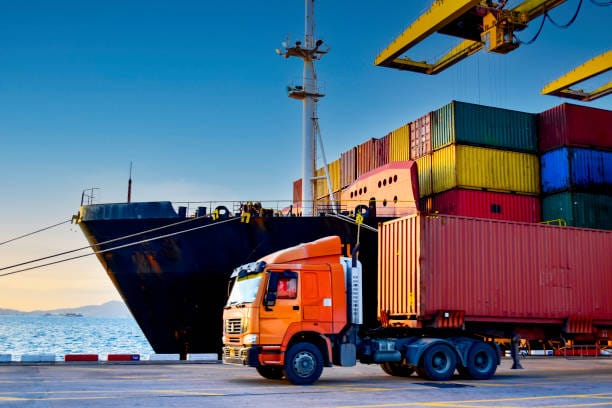
Commercial Auto Insurance
Coverage for work trucks, vans, and fleets — protecting your drivers, your vehicles, and the business behind them.
Read More
Contractor Insurance
Coverage built for trades and service professionals across Southern California — tools, equipment, and jobsite liability.
Read More
Cyber Liability Insurance
Helps your business respond and recover when data is breached — from customer notification to system restoration.
Read More
Commercial Property Insurance
Protects your building, equipment, and inventory against fire, theft, and covered damage — so one loss never stops the business.
Read MoreRelated Coverage
Get a Fast, Free Quote
Answer a few questions and we'll shop multiple carriers to find your best rate — no obligation.