ATV & Off-Road Vehicle Insurance for California Riders
Your homeowners policy won't cover that quad in Lake Elsinore's dirt, and your auto policy won't touch a side-by-side at Glamis or Lucerne Valley. Off-road vehicles need dedicated insurance that understands the unique risks of recreational riding in Southern California and the Inland Empire.
- Liability, collision, and comprehensive coverage designed for ATVs, UTVs, and dirt bikes
- Trailer coverage, accessory/modification protection, and off-road recovery assistance
- Quotes from multiple carriers who actually understand Inland Empire off-roading culture
Off-road riding has exploded across California's Inland Empire over the past fifteen years, and for good reason: Lake Elsinore's riding areas, the trails off Ortega Highway, Glamis dunes, Lucerne Valley's desert landscape, and the countless smaller riding parks and private properties throughout the region offer hundreds of days of accessible recreation. Whether you're riding a Honda quad around your property, exploring fire roads on a Yamaha Wolverine, tearing up a single-track on a Kawasaki dirt bike, or taking the family out on a Can-Am side-by-side, off-road riding is serious fun — and it comes with serious liability and equipment risks that most owners don't prepare for until something goes wrong. The recreational off-roading community in Southern California thrives because the terrain, weather, and access make it practical year-round; the same factors that make off-roading accessible also make it risky in ways that standard auto insurance simply won't cover.
Standard homeowners insurance explicitly excludes off-road vehicles; standard auto insurance excludes anything that leaves paved public roads. That gap is exactly why off-road vehicle insurance exists. A comprehensive ATV or UTV policy protects your machine from theft, collision, and weather damage while you're riding or trailering it, and covers your liability if you injure someone on the trail or at a riding park. Aftermarket parts — custom seats, upgraded suspension, winches, light bars, navigation systems — are covered under specialized endorsements rather than lumped into a generic personal property limit. Trailers get their own coverage lines. Off-road recovery (towing from a trail, not just the side of a highway) is available through specialized carriers. Whether you're a casual rider with a single quad you use a few times a year, a family taking UTVs out monthly, or an off-road enthusiast with multiple machines and serious modifications, there's a policy structure that fits your situation.
California's off-road vehicle landscape is uniquely permissive compared to many states, and that permissiveness creates a uniquely complex legal and insurance environment. Public lands, private riding parks, and informal trail networks mean access to riding opportunities that rival any state in the nation. That same openness, though, means your liability exposure is real: if a passenger in your UTV is injured, if a bystander on a trail is hit, or if your riding causes damage to property, your personal assets are at risk without proper insurance. California's Off-Highway Vehicle (OHV) registration system, safety-course requirements for younger riders, and rules around public versus private land riding all shape what insurance you need and what coverage makes sense. Understanding these legal requirements alongside the practical risks of the sport — rollovers, collisions with terrain, trailer accidents while transporting — helps you build a protection plan that actually responds when the worst happens.
At Covered By Us, we work with riders and ATV/UTV owners throughout the Inland Empire and Southern California who understand that off-road riding is worth doing right. We shop carriers that specialize in off-road vehicle insurance, not generic auto brokers who treat quads like motorcycles. We understand the difference between liability exposure on a public trail (where you're sharing space with other riders and pedestrians), liability at a private riding park (where the park operator may or may not carry coverage), and liability on your own property (where homeowners liability may still apply). We know which carriers offer the best accessory coverage for modified machines, which ones provide the most reliable off-road recovery networks, and how to structure your policy so you're not paying for coverage gaps that won't matter to you while skipping protection you actually need. Let's talk through your riding situation and find the right policy.
Who Needs ATV & Off-Road Vehicle Insurance
Off-road vehicle ownership creates specific insurance needs depending on what you ride, how often, where, and with whom. Here are the owner profiles for whom dedicated off-road insurance is essential:
Quad & ATV Owners
If you own a Honda Rancher, Yamaha Grizzly, Polaris Ranger, or similar utility quad — whether you use it for recreational riding, light ranch work, or weekend trips to Glamis — you need off-road vehicle insurance. Standard homeowners and auto policies exclude these machines entirely. ATVs sit in a unique category between motorcycles and utility vehicles, and most carriers require dedicated ATV coverage. Coverage protects your machine from theft, collision, and weather while off-road.
Side-by-Side (UTV) Owners
Yamaha Wolverine, Can-Am Maverick, Polaris RZR owners, and anyone with a side-by-side utility vehicle need dedicated off-road coverage. UTVs are powerful recreational machines with significant modification potential and real liability exposure, especially when carrying passengers. If your UTV has aftermarket parts — custom seats, upgraded suspension, a winch — your policy needs to account for that equipment's value separately from your base machine.
Dirt Bike & Recreational Motorcycle Riders
Off-road dirt bikes (KTM, Honda CRF, Yamaha YZ, Kawasaki KX, etc.) used recreationally on trails, in riding parks, or on private property need dedicated off-road motorcycle insurance, not street motorcycle coverage. Off-road bikes are excluded from standard motorcycle policies; riders need specialized policies that understand the unique liability and property exposures of trail and park riding.
Families with Youth Riders
Parents with kids on smaller quads, youth dirt bikes, or riding together in a family UTV need coverage that specifically addresses youth-rider liability. California has safety-course requirements for younger riders on public land, and insurers are increasingly careful about youth-rider exposure. A dedicated family off-road policy with youth-rider provisions protects both the machines and your liability exposure when young riders are involved.
Owners Who Trailer to Riding Areas Regularly
If you're trailering a quad or UTVs to Lake Elsinore, Glamis, Lucerne Valley, or private riding parks regularly, your coverage needs to extend from home storage through transport and use at the destination. Trailer-specific coverage protects your trailer against theft and collision while in transit and at rest. Some owners aren't aware their ATV coverage doesn't automatically extend to the trailer towing it — this endorsement fills that gap.
Property Owners Using ATVs for Land or Ranch Work
If you're using a quad or utility ATV for land management, ranch work, or property maintenance on your own property or property you have permission to use, you need coverage that understands work-related use and the liability that comes with it. This is broader than recreational riding and requires different coverage structure; some carriers have specific endorsements for work-use quads and UTVs.
What ATV & Off-Road Vehicle Insurance Covers
Liability Coverage for Off-Road Use
If you injure someone or damage property while riding or as a result of your ATV/UTV use, your liability coverage protects you from the lawsuit and medical bills. This is the foundation of off-road coverage — standard auto liability won't touch off-road incidents. Limits typically run $15,000 to $100,000 or higher, depending on your risk profile and assets to protect. Unlike trail riding where park operators may carry liability, on many informal trails and private land, you're the only source of protection for anyone injured.
Collision Coverage
Covers damage to your ATV, UTV, or dirt bike from collision with terrain, rocks, other riders, or physical objects while you're riding. The typical repair cost after a rollover or hard impact can run thousands of dollars; collision coverage protects you against that loss. You choose your deductible (usually $250, $500, or $1,000), and the carrier pays the difference for covered repairs. Collision is where most off-road riders find the real value in dedicated coverage.
Comprehensive Coverage
Covers theft, vandalism, weather damage (including damage from dust storms common in Glamis and desert areas), and other non-collision losses. If someone steals your quad from storage, if a fallen tree damages your UTV, or if weather or wildlife causes damage, comprehensive coverage responds. This is particularly valuable for owners storing machines in outdoor settings or in areas with regular severe weather events. Many riders in the Inland Empire overlook weather risk until a dust storm or rare hail event causes unexpected damage.
Uninsured Motorist Coverage for Off-Road Use
If another rider strikes you or your passenger and that rider has no insurance or insufficient coverage, uninsured motorist coverage protects your medical expenses and property damage. On trails and at riding parks, not all riders carry insurance, making this coverage particularly relevant in the off-road context. This coverage is less commonly thought about than collision or liability but can save you thousands in out-of-pocket medical costs if a wreck happens.
Medical Payments Coverage
Pays medical bills for you or your passengers injured while riding, regardless of fault. A collision, rollover, or impact injury can generate significant ER and follow-up medical costs; medical payments coverage ($1,000-$5,000 typical) covers those bills without requiring a liability determination. For riders with dependents or passengers, this coverage bridges the gap between what your health insurance covers and what riding accidents actually cost.
Accessory & Aftermarket Parts Coverage
Custom seats, upgraded suspension, winches, light bars, navigation systems, upgraded exhaust, and other modifications increase your machine's value and need specific coverage. Standard collision and comprehensive limits may not account for a $3,000 suspension upgrade or a $2,000 custom seat. Accessory coverage lets you schedule valuable modifications separately, ensuring they're protected at replacement cost. Many carriers limit aftermarket coverage unless it's explicitly added; this endorsement ensures your modifications are covered.
Trailer Coverage
Protects the trailer towing your ATV, UTV, or dirt bikes from collision, theft, and comprehensive loss while in transit to riding areas and while stored. Trailers are commonly stolen from storage or parking areas, and collision coverage while trailering is essential. If you're regularly transporting machines to Lake Elsinore, Glamis, or other riding destinations, dedicated trailer coverage is inexpensive relative to the value of both the trailer and the machines inside it. Many riders discover too late that their ATV coverage doesn't extend to the trailer towing it.
Off-Road Recovery & Towing Assistance
Goes beyond highway roadside assistance by covering recovery of your machine from off-road locations — out of a creek bed, from deep sand, off a trail in difficult terrain. Recovery costs from wilderness areas can exceed $1,000 quickly; this endorsement covers or reimburses those costs. It's typically added as a small annual rider and is especially valuable for riders exploring remote trails, desert areas, or high-risk terrain where standard roadside assistance can't reach.
Agreed Value Coverage
For custom-built or significantly modified ATVs and UTVs, agreed-value coverage ensures you're paid based on the value you and the insurer agree to upfront, not depreciated or actual cash value. If you've invested heavily in modifications, performance upgrades, or a specialized build, depreciation at claim time can leave you short. Agreed value requires documentation (photos, receipts, appraisals) but guarantees a specific payment if the machine is a total loss.
Seasonal Storage & Off-Season Coverage
If you ride seasonally (many Inland Empire riders focus on fall/winter/spring), you can reduce your premium during off-season months by lowering coverage or suspending riding coverage while keeping theft and comprehensive active. Some carriers offer tiered seasonal discounts, reducing your cost if you're only riding six months a year. This is especially valuable for riders who shut down machines for summer heat or for those who store machines during months when weather makes riding impractical.
How to Get ATV & Off-Road Vehicle Insurance
Securing off-road vehicle insurance involves understanding your machine, your riding situation, and what coverage actually protects you. Here's how the process works, step by step:
Assess Your Machine & Riding Profile
Start by documenting your vehicle: make, model, year, VIN, engine displacement, current value (check comparable sales, not just what you paid), and any modifications or upgrades you've made. Next, describe your riding situation: how often you ride, where you primarily ride (private property, commercial parks, public trails), what type of riding (recreation, work, racing-adjacent), whether you carry passengers, and your typical riding season. This profile determines what coverage makes sense and what carriers will even quote you. A backyard quad used twice yearly has completely different insurance needs than a regularly trailered UTV used at multiple riding parks monthly.
Gather Documentation & Maintenance Records
Collect your machine's title or registration, maintenance records or service history, photos of current condition, and documentation of any modifications (receipts, invoices, photos of the aftermarket parts installed). If your machine is custom-built or heavily modified, having detailed photos and documentation of the work and parts makes it easier for an insurer to understand and properly value your equipment. If you're buying used, obtain a pre-purchase inspection report. This documentation helps underwriting move faster and ensures accurate coverage valuation.
Meet with an Independent Agent Who Understands Off-Road Vehicles
This step is critical and often skipped. An agent familiar with off-road vehicle insurance will ask specific questions: Are you carrying passengers? Have you completed an off-road safety course? Do you race or use this machine for work? Are your modifications for performance or utility? Where do you typically store your machine? This conversation uncovers your actual risk profile and ensures the quotes you receive are grounded in your situation, not generic estimates. A generic auto agent may not understand the difference between recreational trail riding and commercial park use, or may not know which carriers even offer off-road coverage.
Review & Compare Multi-Carrier Quotes
Your agent will shop carriers specializing in off-road vehicle insurance and bring you quotes from at least 2-3 carriers, each showing the same coverage so comparison is meaningful. You'll see different premium levels for identical coverage, different deductible options, and sometimes different approaches to accessory or trailer coverage. The agent explains the differences: why one carrier quotes higher, whether that extra cost buys better coverage or service, and which policy structure best matches your needs. This is where shopping actually matters — premium differences for the same machine and rider profile can vary by $200-400 annually across carriers.
Select Coverage Limits, Deductibles & Endorsements
With your agent's guidance, you'll choose your liability limit (protection against injuring someone), collision deductible (typically $250, $500, or $1,000 — higher deductibles lower premiums), whether to add comprehensive coverage (theft and weather), and specific endorsements that match your situation. Do you need trailer coverage? Are your modifications valuable enough to warrant accessory coverage? Do you regularly carry passengers, requiring higher liability? Is off-road recovery assistance worth the small annual cost? This is informed decision-making, not price-chasing — your agent helps you understand the cost-benefit of each choice.
Complete the Application & Underwriting
You'll complete a detailed application providing information about your machine, its condition, your riding experience, any prior claims on similar vehicles, and your planned use. The insurance company conducts underwriting, typically over 3-7 business days. Some carriers may request photos of your machine, proof of storage security, or documentation of modifications. Being thorough and honest in your application is essential — misrepresenting facts or omitting information can lead to claim denials later. Your agent fields underwriting questions and acts as your advocate throughout the process.
Receive Your Policy & Review Coverage
Once approved, you'll receive your policy documents, declarations page, and coverage details. Take time to read them thoroughly — understand your limits, deductibles, what's covered, what's excluded, and any specific conditions or restrictions tied to your policy. Your agent should walk you through the key points, answering any questions before your coverage becomes active. Many riders sign without reading and are shocked at claim time to discover gaps or misunderstandings about their coverage. Knowing your policy cold prevents surprises later.
Pay Your Premium & Activate Coverage
Most off-road policies are annual or semi-annual, though some carriers offer seasonal or monthly options. Your coverage becomes active once you pay the premium and receive a binder or confirmation from the insurer. Mark your renewal date on your calendar — it's your opportunity to shop again, review your coverage, and ensure you're still getting the best rate. Some riders stick with their original carrier for years without shopping; annual review and renewal shopping can save hundreds of dollars and uncover better options.
Common Risks & Coverage Gaps for ATV & Off-Road Vehicle Riders
Off-road riding creates specific risks that standard auto and homeowners insurance won't touch. Understanding these hazards helps you choose coverage that actually protects you.
Rollover & Terrain Accident Risk
ATVs and UTVs roll — it's one of the inherent mechanics of the sport. Rocks, ruts, steep terrain, soft sand, water crossings, and rider error all create rollover scenarios. A rollover in soft sand at Glamis might damage only your plastic and pride; a hard rollover into boulders on a mountain trail can total your machine. Collision coverage is the protection that matters here, and collision limits need to account for the cost of modern machines and repairs.
Youth Rider Risk & Supervision Considerations
Parents and guardians with young riders on quads and dirt bikes face layered risk: the youth rider's inexperience, the challenge of supervising in remote areas, and the liability exposure if your youth passenger injures someone else or is injured in an incident you're responsible for. Youth riders also trigger specific insurance requirements in California; some carriers won't cover riders under 16 without additional documentation or safety-course completion. Age and experience of riders directly affects your premium and coverage availability.
Theft of ATVs, UTVs, Trailers & Equipment
Off-road machines are attractive targets for theft, especially high-end UTVs and machines left in storage areas or trailhead parking lots. Trailers are stolen with remarkable frequency. Comprehensive coverage protects against theft, but theft risk is highest for owners storing machines outdoors or in areas with limited security. Adding security measures — locked storage, motion-detection lighting, GPS trackers — can earn discounts on theft coverage while reducing actual theft risk.
Liability from Passenger or Bystander Injury on Trails
Passenger injuries while riding in your UTV or on trails near your machine, and injuries to bystanders hit by your machine or caught in an accident you cause, create real liability exposure. Unlike street driving where everyone carries auto liability, many casual trail riders carry no insurance at all. If a passenger in your machine is injured, your liability coverage has to respond. Carrying higher liability limits ($50,000 or $100,000+) is worth considering if you regularly carry passengers.
Weather, Dust & Visibility Hazards
Dust storms in desert areas, flash rain creating washouts on mountain trails, extreme heat reducing traction and visibility, and seasonal fog are all real hazards for riders in California's Inland Empire and desert regions. These weather events contribute to accidents, damage to machines, and sometimes uninsurable situations (like machines destroyed in flash floods). Comprehensive coverage protects against weather-related damage; rider experience and preparation are equally critical.
Transport-Related Accidents While Trailering
The most forgotten gap: accidents while trailering your ATV or UTV to a riding area. Your auto insurance handles the tow vehicle; dedicated trailer coverage handles the trailer itself. But what about the machine inside if the trailer is involved in a collision? If the trailer detaches, if the machine shifts during transport, or if a collision damages both trailer and contents, trailer and machine coverage work together to respond. Many owners assume their auto policy's trailer coverage extends to the machines inside — it typically doesn't.
Underinsuring Modified or High-Value Machines
Custom-built UTVs, heavily modified dirt bikes, or performance quads can far exceed the value of stock machines. A Polaris RZR Pro XP with a full custom cage, upgraded suspension, high-horsepower engine work, light bar, and winch can easily run $40,000 or more. Standard coverage limits may fall far short. Underinsurance is rampant in the custom off-road community; agreed-value coverage or carefully calculated dwelling limits ensure you're fully protected if the machine is totaled.
Coverage Gaps on Public Land vs. Private Property Riding
Liability exposure and coverage needs differ between riding on public land (where other users may be present and liability exposure is higher), riding at commercial parks (where the park operator may carry liability), and riding on private property (where you control the environment but may have sole liability for incidents). Understanding where you ride and how liability shifts based on location helps you choose appropriate limits and endorsements. Some carriers adjust rates or coverage based on riding location; others don't.
California-Specific Requirements & Considerations for Off-Road Vehicles
California's off-highway vehicle (OHV) system creates a unique legal and insurance landscape for recreational riders. The state distinguishes between street-legal vehicles (motorcycles, ATVs with street equipment) and off-highway-only machines (dirt bikes, UTVs, sport quads), and that distinction directly affects what insurance you need. Off-road vehicles used exclusively off-highway are not subject to the same registration and licensing requirements as street vehicles, which affects insurance availability and how policies are structured. At the same time, riders using public lands are subject to California's OHV registration system, and youth riders face specific requirements that insurers pay close attention to when underwriting policies.
California's Off-Highway Vehicle Program, managed by the Department of Parks and Recreation, oversees use of public lands for off-road recreation. Riders using public OHV areas must display a current OHV registration (annual registration through the state program), and youth riders under specific ages have mandatory safety-course requirements to ride on public land. These state requirements are general educational and regulatory matters, not specific legal mandates that directly determine insurance coverage. However, insurers factor in compliance with state programs when assessing risk — a rider who's completed a state-approved safety course qualifies for insurance discounts, while violations of public-land use rules may affect underwriting or claims. Understanding that these programs exist and that participation is tracked helps you position yourself favorably when shopping insurance.
Liability considerations on public versus private land create different risk profiles that affect your coverage choices. Riding on public land where you're sharing space with other riders and park users creates higher liability exposure (if you hit another rider, liability is clearly yours). Riding at commercial parks (like riding parks throughout Southern California) typically involves implicit or explicit agreement that the park operator carries liability coverage for facilities and shared risks, though your personal liability for hitting another rider remains your responsibility. Riding on private property you own or have permission to use creates a different liability environment; your homeowners liability may provide some protection, though dedicated off-road coverage is more reliable. Understanding these distinctions helps you choose appropriate liability limits and understand how coverage stacks across different scenarios.
California OHV Registration for Public Land Use
California requires OHV registration (annual fee-based registration through the state program) for off-road vehicles operated on public lands managed by the state. Registration is general regulatory requirement for access to public OHV areas and does not directly create insurance obligations, though insurers track registration status when underwriting policies. Riders planning to use public OHV areas regularly should maintain current registration; some insurers offer small discounts for registered riders, recognizing they're using designated safe areas.
Youth Rider Safety Course Requirements on Public Lands
California requires riders under specific ages to complete an approved off-road safety course before operating off-highway vehicles on public lands. These courses teach vehicle operation, safety fundamentals, trail etiquette, and risk awareness. Insurance carriers actively incentivize safety-course completion, offering 10-20% premium discounts for riders holding completion certificates. Many carriers require younger riders to hold completion certificates as a condition of coverage. Completing a course benefits both your safety and your premium — this is one of the few underwriting factors riders can directly control and improve.
Liability on Shared vs. Private Land Use Situations
Your liability exposure and coverage needs differ significantly depending on whether you're riding where you share space with others (public trails, commercial riding parks) versus private property. On shared spaces, your liability coverage must address injuries to other riders or bystanders caused by your actions. On private property, you may still face liability if guests are injured, though homeowners liability sometimes applies as backup. Commercial riding parks vary in how liability is structured; some parks carry coverage, others explicitly place liability on individual riders. Understanding your specific riding environment helps you choose appropriate liability limits.
Insurance Availability & Regulatory Environment
California's insurance market for off-road vehicles is smaller than for street vehicles, and not all carriers offer off-road policies. Carriers operating in California have specific compliance requirements, and regulatory changes periodically affect what coverage is available and at what cost. Some carriers have exited the off-road market in specific regions; others have tightened underwriting for high-risk uses. Staying informed about carrier availability in your area and shopping annually ensures you're aware of market changes and new options. Your independent agent monitors carrier availability and can flag changes that affect your coverage options.
Work-Use & Commercial-Use Classifications
If you're using your ATV or UTV for ranch work, property management, land maintenance, or any work-related purpose (even occasional or unpaid), you may need different coverage classification than recreational-use policies provide. Commercial-use policies and work-use endorsements exist but carry different premium structures and may have specific requirements. Misclassifying work-use riding as recreation creates claim-denial risk; being upfront with your agent about any work-related use ensures proper coverage classification and pricing.
What Affects Your ATV & Off-Road Vehicle Insurance Rate
- Machine type and value — a $5,000 utility quad carries lower premiums than a $30,000 side-by-side; UTVs typically cost more to insure than ATVs due to higher values and capacity for passengers
- Engine size and horsepower — larger displacement, high-horsepower machines command higher premiums due to greater accident severity potential
- Rider age and experience — younger riders and those without safety-course completion face significantly higher premiums; completing a certified off-road safety course often unlocks 10-20% discounts
- Riding frequency and season — seasonal riders or those using machines only a few times yearly pay less than year-round frequent riders; some carriers offer monthly or quarterly policy options for very-occasional riders
- Primary riding location — riders in high-risk areas (desert racing regions, extreme terrain parks) face higher premiums than those riding casual trails on private property; the distinction between recreational and high-risk riding can shift rates by 15-30%
- Modifications and customizations — heavily modified machines with expensive aftermarket parts require scheduled accessory coverage and may face higher base premiums due to increased replacement-cost exposure
- Passenger carrying — UTVs regularly carrying multiple passengers face higher liability exposure and often higher premiums than single-rider machines; commercial use (touring, rentals, work-for-hire) changes premium structure entirely
- Storage and security — machines stored in locked garages with security systems qualify for theft-reduction discounts; outdoor storage or storage in unsecured areas increases comprehensive coverage cost
- Prior claims history on your machine — riders with prior accident claims face higher renewal premiums; clean records maintain lower rates over time
Off-Road Vehicle Insurance Terms Explained
Understanding these key terms helps you navigate off-road insurance conversations with confidence and clarity:
- OHV (Off-Highway Vehicle)
- Any vehicle operated on land, sand, or water that is not subject to registration for highway use — includes ATVs, UTVs, dirt bikes, and other recreational off-road machines. California's OHV system regulates off-road vehicle use on public lands. Insurance policies typically distinguish between street-legal motorcycles and ATVs (which may have highway registration) and dedicated off-highway machines (which operate exclusively off-paved roads).
- UTV (Utility Task Vehicle) / Side-by-Side
- A type of off-road vehicle designed to carry multiple passengers side-by-side (typically 2-4 riders) with a steering wheel rather than handlebars. Examples include Yamaha Wolverine, Can-Am Maverick, Polaris RZR. UTVs typically cost more to insure than single-rider ATVs due to higher values, passenger capacity, and accident-severity potential. They're popular for family recreation and ranch work throughout the Inland Empire and Southern California.
- Agreed Value
- An insurance approach where you and the insurer agree upfront on the value of your machine (typically through documentation, photos, and appraisals), and that agreed value is what you'll be paid if the machine is a total loss — not depreciated value or actual cash value. This is especially valuable for custom-built or heavily modified machines where depreciation would otherwise significantly reduce your payout.
- Off-Road Recovery & Towing
- Coverage that extends beyond standard roadside assistance to cover recovery of your machine from off-road locations — removal from a creek, soft sand, or difficult terrain by specialized equipment. Unlike highway towing, off-road recovery often requires winches, helicopters for remote areas, or specialized recovery vehicles. This coverage reimburses or covers the cost of professional recovery services.
- Accessory / Aftermarket Parts Coverage
- Dedicated insurance protection for custom seats, upgraded suspension, winches, light bars, navigation systems, and other modifications installed on your machine. Rather than lumping these expensive upgrades into a generic personal property limit, accessory coverage allows you to schedule valuable modifications separately at replacement cost, ensuring they're fully protected if damaged.
- Collision Deductible
- The amount you pay out-of-pocket before your collision coverage begins to pay for damage from impact, rollover, or collision. Higher deductibles (e.g., $1,000) lower your annual premium; lower deductibles (e.g., $250) raise your premium. Choosing a deductible you can afford to pay out-of-pocket balances premium cost against out-of-pocket risk in a collision.
- Comprehensive Coverage
- Covers non-collision losses including theft, vandalism, weather damage, wildlife impact, and other perils. For off-road riders, comprehensive is particularly valuable for theft protection (ATVs and trailers are commonly stolen) and weather-related damage in desert and high-terrain riding areas. Comprehensive is separate from collision coverage and has its own deductible.
- Uninsured Motorist Coverage (Off-Road)
- Protects you and your passengers if another rider or vehicle strikes you and that party has no insurance or insufficient coverage. On trails and riding parks where not all riders carry insurance, this coverage bridges the gap, paying for your medical expenses and property damage if an uninsured rider injures you or damages your machine. This is a frequently overlooked but valuable protection in the recreational riding community.
Why Covered By Us for ATV & Off-Road Vehicle Insurance
I'm Connor, CEO of Covered By Us, and I've built this agency with off-road riders in mind because I understand the sport and the insurance gap. We're an independent insurance agency based in Pomona, serving riders throughout the Inland Empire, Southern California, and statewide. Because we're independent, we shop multiple carriers who specialize in off-road vehicle insurance — not generic auto brokers treating quads like motorcycles. We work with riders heading to Lake Elsinore trails, Glamis dunes, Ortega Highway, desert areas, and private riding parks every week. We know which carriers view different riding activities favorably, which ones understand custom modifications, and which carriers have the strongest off-road recovery networks. We understand the difference between recreational riders on private property, riders using commercial parks, and riders pushing limits in high-risk terrain, and we know how those distinctions affect your coverage and premium.
We start every conversation by understanding your specific situation: What machine do you ride, and what's its value? How often do you ride, and where? Do you carry passengers, and how many? Have you completed a safety course? Are you racing, doing work, or purely recreating? Have you customized your machine, and what modifications have you made? What's your budget and risk tolerance? This conversation takes time, but it ensures that the quotes and coverage recommendations you get back are grounded in your reality, not generic estimates. If your situation changes — you buy a new machine, add expensive modifications, start carrying a family member regularly, or shift your riding location — we revisit your coverage so you're never carrying too much or too little. We understand California's OHV registration requirements, safety-course incentives, and public-land versus private-property liability distinctions that online quoting tools completely miss.
When you work with Covered By Us, you get an agent who understands off-road riding culture, who can navigate the carriers that actually specialize in off-road coverage, and who will advocate for you if you ever need to file a claim. We handle the paperwork, answer underwriting questions, and manage renewals so you can focus on riding. We'll review your modifications against your coverage to ensure they're protected, walk you through deductible choices so you're making informed decisions, and help you understand exactly what you're buying and why it fits your situation. Start My Quote online or call 909-278-7053 — let's find the right coverage for your off-road adventure.
Frequently Asked Questions
Is ATV insurance required by law in California?
Does my homeowners insurance cover my ATV or UTV?
What's the difference between recreational and work-use off-road insurance?
Does completing a safety course actually lower my insurance premium?
What should I do if I'm modifying my ATV or UTV after purchase?
What is off-road recovery assistance and do I need it?
How do I know what liability limit to choose?
What if I'm transporting my ATV or UTV to a riding area?
How often should I review my off-road insurance coverage?
What happens if I'm injured in an ATV accident?
Coverage that keeps you secure
Reliable protection for everyday life.
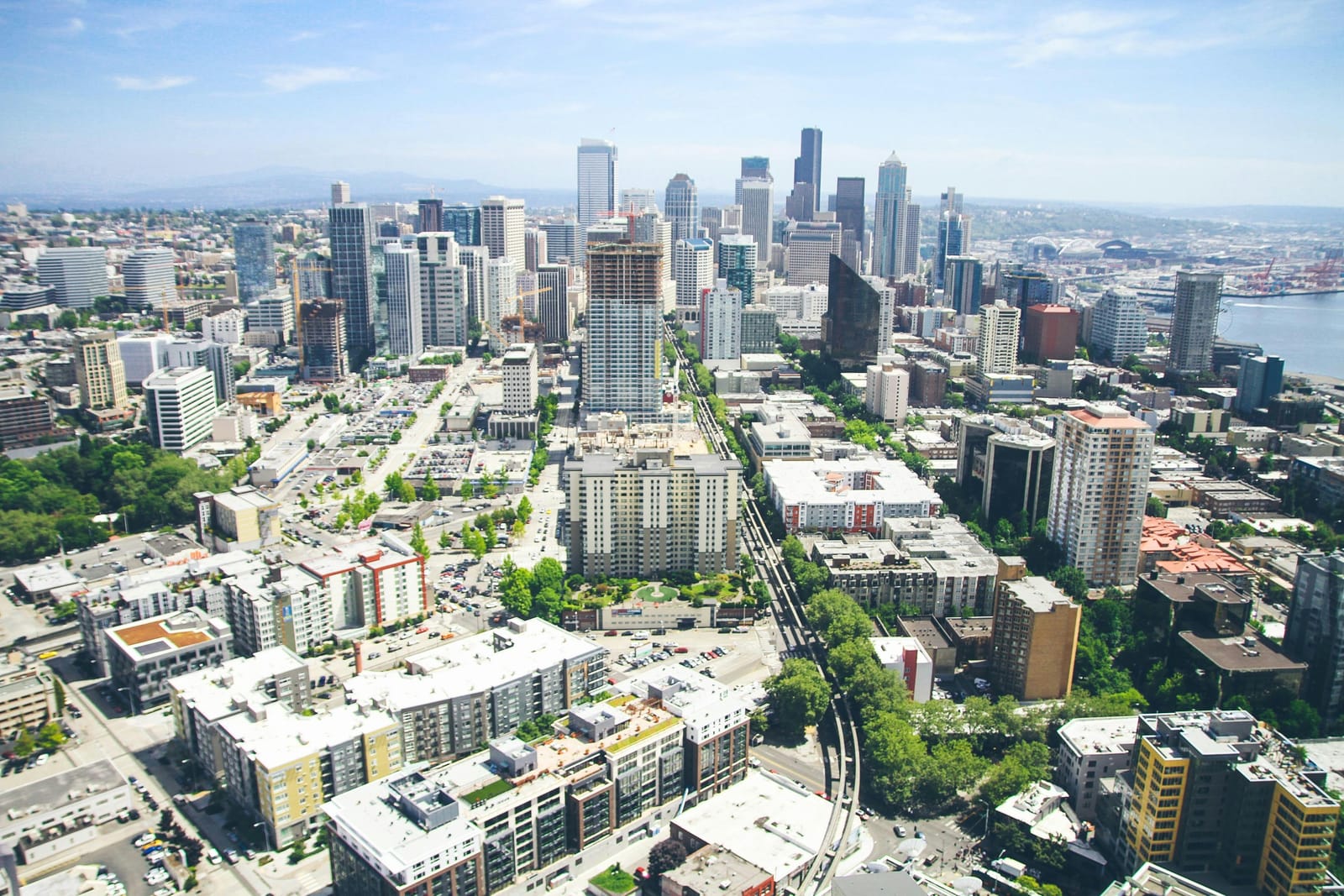
Home Insurance
→Protect your house, belongings, and liability against fire, theft, and California-specific risks — with your options explained clearly.
Auto Insurance
→Coverage for accidents, liability, and vehicle damage. We shop multiple carriers so your rate fits how you actually drive.
Renters Insurance
→Protection for your belongings and liability in any rented apartment, house, or condo — often for just a few dollars a month.
Motorcycle Insurance
→Coverage built for riders, from daily commuters to weekend cruisers — including options for gear and custom parts.
RV Insurance
→Protection for motorhomes and travel trailers, on the road and parked — coverage that follows every mile.
Umbrella Insurance
→An extra layer of liability protection above your home and auto policies, shielding your savings and future income.
Coverage Built for Contractors and Trades
Support that keeps your work moving.

General Liability Insurance
Core protection for third-party injury and property damage claims. Supports contracts, job requirements, and everyday business risk.
Read More
Workers Compensation
Protects injured employees and keeps you compliant with California requirements — essential for nearly every employer in the state.
Read More
Commercial Auto Insurance
Coverage for work trucks, vans, and fleets — protecting your drivers, your vehicles, and the business behind them.
Read More
Contractor Insurance
Coverage built for trades and service professionals across Southern California — tools, equipment, and jobsite liability.
Read More
Cyber Liability Insurance
Helps your business respond and recover when data is breached — from customer notification to system restoration.
Read More
Commercial Property Insurance
Protects your building, equipment, and inventory against fire, theft, and covered damage — so one loss never stops the business.
Read MoreRelated Coverage
Get a Fast, Free Quote
Answer a few questions and we'll shop multiple carriers to find your best rate — no obligation.