General Liability Insurance for Lake Elsinore Businesses
From retail shops in downtown to contractors and hospitality venues, Lake Elsinore businesses operate in a unique landscape with specific liability exposures. General liability coverage protects your company from lawsuits and medical bills when someone is injured or property is damaged on your premises or because of your operations.
- Protection from bodily injury and property damage claims
- Coverage tailored to Lake Elsinore's business mix and local exposures
- Quotes compared across multiple carriers — we find the right fit and price for your operation
Lake Elsinore sits at the intersection of recreation, commerce, and transportation in Riverside County. The lake itself — the largest natural freshwater lake in Southern California — draws tourists year-round, and the surrounding communities depend on hospitality, retail, contractors, and service businesses that cater to lake visitors, recreational enthusiasts, and residents of the broader Inland Empire. But operating a business here means understanding the specific liability landscape that comes with tourism, seasonal recreation, mountain contractors, and proximity to I-15 and other major routes. General liability insurance isn't optional for this environment — it's the foundation of business protection.
Your business's liability exposure depends on what you do and where you do it. A restaurant near the lake faces different risk profiles than a motocross shop in the surrounding hills, which faces different exposures than a logistics company operating near I-15, or a contractor managing projects across the region's mountain and wildland-adjacent properties. What unites them is the need for general liability coverage: protection against the lawsuits, medical bills, and property damage claims that can emerge from customer injuries, property damage you cause, or advertising and personal injury disputes. Even a well-run business can face claims. A customer slips in your showroom; a delivery truck damages a client's storefront; an advertised claim you made gets disputed by a competitor. General liability insurance is what protects your company when those situations happen.
At Covered By Us, we work with businesses throughout Lake Elsinore and the surrounding region. We understand the seasonal tourism patterns, the construction and contractor work tied to building and renovation projects across the Inland Empire, the hospitality venues catering to lake recreation, and the retail and logistics operations that serve the community. We also understand that insurance carriers view Lake Elsinore differently depending on your specific operations. A contractor doing hillside work has exposures that a retail store doesn't. A business serving alcohol faces different underwriting than a general retail operation. Someone running tours or outdoor activities has liability profiles that office-based services don't. We shop multiple carriers to find coverage that fits your specific business model, not a one-size-fits-all quote that misses what actually matters for your operation.
General liability insurance is the kind of coverage you hope you never use, but when you need it, having the right policy in place can be the difference between a claim your insurance handles and a lawsuit that threatens your business's viability. We walk you through exactly what's covered, where gaps often emerge, and how to build a protection plan that lets you focus on running your business rather than worrying about what might happen if something goes wrong. Call 909-278-7053 or get a quote online — let's find the right coverage for your Lake Elsinore operation.
Who Needs General Liability Insurance in Lake Elsinore
Lake Elsinore's business community spans hospitality, retail, outdoor recreation, and service operations. These profiles represent the local business mix and why general liability coverage is essential for each:
Hospitality & Dining Venues
Restaurants, bars, hotels, resorts, and recreational facilities serving the lake tourism market face daily liability exposure from customers, guests, and employees. A customer slips on a wet floor; a guest is injured at a pool area; someone claims injury from something they ate or drank. Host liquor liability is particularly important for bars and venues serving alcohol. These businesses typically need higher liability limits than retail stores, often $500,000–$1,000,000 or more, plus additional coverage for alcohol service, food handling, and premises damage.
Retail & Service Businesses Downtown
Shops, boutiques, service providers, and general retail operations in Lake Elsinore's downtown and business districts handle customer traffic daily. Product liability is a key exposure — customers can be injured by defective products or accidents on your premises. Retail operations need solid bodily injury protection, property damage coverage for damage you cause to adjacent properties or the building itself, and enough liability limits to handle customer injury claims from slips, falls, or product-related incidents.
Contractors & Construction Companies
Contractors, builders, renovation companies, and tradespersons operating throughout Lake Elsinore and the surrounding hills face some of the highest liability exposures in the region. Work on customer properties, equipment operation, employee injuries, and property damage to client sites all create liability risk. Construction contractors typically need higher liability limits, often $1,000,000 or more, plus specific coverage for completed operations, premises, and tools/equipment liability. Hillside and mountain construction adds wildfire-exposure considerations.
Motocross & Off-Road Recreation Businesses
The surrounding hills attract motocross, ATV, and off-road recreation enthusiasts. Businesses providing rentals, instruction, tours, or event hosting in these areas face significant bodily injury and property damage exposures. Injury from vehicle accidents, collisions, or instruction-related incidents are common claims in this sector. Off-road recreation businesses typically need higher liability limits, sometimes with specialized endorsements for product liability, premises liability, and operations-specific risk.
Logistics, Trucking & Transportation Companies
Lake Elsinore's proximity to I-15 and regional highways makes it home to logistics, trucking, and transport operations. Accidents involving commercial vehicles, cargo damage, and third-party injury claims are all liability exposures. Auto liability is often paired with general liability, and trucking/logistics operations need both. Operations running multiple vehicles or handling hazardous materials need elevated limits and potentially specialized coverage.
Professional & Service Providers
Accountants, consultants, contractors, trainers, and other professional service providers in Lake Elsinore need coverage for errors, omissions, and claims arising from the services they provide. While professional liability (E&O) is often separate from general liability, general liability still covers property damage and bodily injury claims. Service providers should consider both types of coverage depending on the nature of their work.
What General Liability Insurance Covers
Bodily Injury Liability
Coverage for medical bills, lost wages, and pain and suffering when someone is injured on your property or because of your business operations. A customer at your restaurant is injured; a contractor's crew member has an accident; someone is hurt during a service you provide. Bodily injury liability covers legal defense costs and settlement or judgment amounts. This is the core coverage that protects your business from personal injury lawsuits. Limits typically range from $100,000 to $1,000,000 per occurrence, with aggregate limits covering multiple incidents in a policy year.
Property Damage Liability
Coverage for damage your business causes to someone else's property. You accidentally damage a customer's vehicle in your parking lot; your contractor equipment damages a neighboring building; your delivery truck hits a storefront. Property damage liability covers the repair or replacement costs plus legal defense. This is essential for contractors, transporters, and any business where your operations or employees might cause damage to customer or third-party property. Limits typically range from $100,000 to $1,000,000 per occurrence.
Personal and Advertising Injury
Coverage for claims arising from your advertising, marketing, and business operations, including libel, slander, copyright infringement, or false advertising. A customer claims your advertisement made false claims about a product; a competitor disputes something you said about your business; someone claims your marketing infringed their rights. This coverage protects against these claims and handles defense costs. It's increasingly important as businesses advertise on social media and online channels where claims can spread quickly.
Medical Payments Coverage
Also called 'med pay,' this coverage pays immediate medical bills for injuries occurring on your property or from your operations, regardless of fault or liability. A customer has a minor injury that requires an ER visit; a guest needs urgent care; an employee of yours is hurt. Medical payments covers the actual medical costs (often $1,000–$10,000 per incident) without requiring proof that you're legally liable. This coverage is cost-effective and can prevent minor incidents from escalating into larger liability claims.
Products Liability
Coverage for injuries or property damage caused by products you manufacture, sell, or distribute. A customer is injured by a defective product they purchased from your store; a product you recommend causes harm; a supplier's product injures someone but was sold through your business. Products liability covers legal defense and damages. This is essential for any retail, manufacturing, or wholesale business that sells products to the public.
Completed Operations Coverage
For contractors and service providers, this covers claims arising from work you completed in prior periods. A contractor finishes a renovation; months later, water damage occurs due to faulty workmanship, and the customer sues. Completed operations coverage responds to these claims even after the job is finished and you've invoiced the customer. This is critical for contractors, builders, and any business providing services that could develop problems after completion.
Host Liquor Liability
Specialized coverage for businesses serving alcohol to customers. A customer becomes intoxicated at your bar and is injured or injures someone else; you're sued for serving alcohol to someone already intoxicated. Host liquor liability covers these claims. This endorsement is separate from general liability and is essential for restaurants, bars, breweries, distilleries, and any business where serving alcohol is part of operations. It covers both on-premises consumption and sometimes social events where alcohol is served.
Non-Owned and Hired Auto Liability
Coverage for accidents involving vehicles you don't own but use for business — rental cars, employee vehicles for business purposes, or hired vehicles. If you rent a truck to deliver materials and have an accident, or an employee uses their personal vehicle for business and causes a collision, this coverage applies when auto liability through the vehicle's primary insurance isn't sufficient. This is essential for businesses using vehicles that aren't on your commercial auto policy.
Employee Benefits Liability
Coverage for claims related to mismanagement of employee benefits programs, such as allegations that you failed to properly administer health insurance, retirement plans, or other employee benefits. An employee claims you wrongfully terminated them in violation of their benefits; a former employee sues over denied benefits. Employee benefits liability covers defense and damages. This is increasingly important as businesses of all sizes manage more complex benefits structures.
Tenant Legal Liability
For businesses leasing commercial space, this coverage protects against claims arising from the leased premises — you damage the landlord's building, you're sued for injuries on your leased space, or disputes arise over damage to the premises. Tenant legal liability covers the contractual liability you may assume under your lease agreement. This endorsement bridges the gap between your operations and your landlord's building insurance.
How to Get General Liability Insurance for Your Lake Elsinore Business
Getting the right general liability coverage involves understanding your business's specific exposures and finding coverage that fits. Here's what the process looks like:
Identify Your Business Type and Key Exposures
Start by clearly defining your business — what products or services you provide, how many employees you have, where you operate, and what activities create the most liability exposure. A Lake Elsinore contractor needs different coverage than a retail shop downtown. Someone hosting recreation activities faces different risks than an office-based service. Being specific about your operations helps your agent understand what coverage you actually need rather than what a generic quote might suggest.
Gather Information About Your Lease, Premises, and Operations
Collect details about your business location — whether you lease or own, the address, building age and condition, security systems, and any loss history. If you're a contractor or operate vehicles, document the vehicles you use and the projects or operations you typically handle. If you serve alcohol, operate recreational activities, or engage in specialized work, have details about those operations ready. If you've had prior claims or incidents, gather documentation. This information helps your agent build an accurate risk profile.
Work with an Independent Agent Who Understands Lake Elsinore's Business Mix
Partner with an agent familiar with your specific type of business and Lake Elsinore's local environment. An agent who understands hospitality venue liability, contractor exposures, and recreational business risks will ask the right questions and find carriers that specialize in your sector. At Covered By Us, we work with businesses throughout Lake Elsinore and know the local landscape. A good agent makes all the difference between a quote that fits and one that misses what actually matters for your operation.
Receive and Compare Multiple Carrier Quotes
Your agent will shop multiple insurers and present quotes showing the same coverage so you can compare price and carrier options side by side. Different carriers price general liability differently based on your industry, location, and loss history. An independent agent brings you at least three quotes so you're not limited to one carrier's pricing. You'll see different premium levels, deductible options, and sometimes different coverage features — your agent explains the tradeoffs.
Choose Your Coverage Limits and Endorsements
Working with your agent, you'll select your liability limits — bodily injury and property damage amounts per occurrence and in the aggregate. For Lake Elsinore businesses, limits typically range from $300,000 to $1,000,000+ depending on the business type and size. You'll also add endorsements specific to your operations — host liquor for restaurants, completed operations for contractors, products liability for retailers, or non-owned auto for businesses using rental vehicles. Your deductible choice also affects premium.
Complete the Application and Provide Documentation
You'll fill out a detailed application describing your business, operations, locations, employee count, prior claims history, and other underwriting information. The carrier may request documentation — lease agreements, business licenses, loss histories, or details about specific operations. Being thorough and honest in your application is critical; misrepresenting facts can lead to claim denials. Your agent helps ensure the application is complete and accurate.
Receive Policy Documents and Review Coverage
Once approved, you'll receive your policy documents — the declarations page showing coverage limits and deductibles, the actual policy language describing what's covered, and any endorsements. Review this carefully with your agent to confirm everything matches what you discussed and quoted. Understand your deductible, your coverage limits, what's excluded, and when the policy is effective. Don't file it away unread — understanding your coverage is essential before you ever need to make a claim.
Activate Coverage and Plan Annual Reviews
Pay your premium and activate coverage by the effective date. Mark your renewal date on your calendar, typically one year from the start date. Before renewal, plan to review your coverage with your agent — have your business operations changed? Have you taken on new types of work or added services? Do you have a better understanding of your liability exposures now that you've been in business? Annual reviews ensure you're carrying the right amount of coverage and sometimes uncover savings opportunities or better coverage options.
Common Liability Risks for Lake Elsinore Businesses
Lake Elsinore's business environment — shaped by tourism, recreation, contractors, and I-15 proximity — creates specific liability exposures. Understanding these risks helps you build coverage that actually protects your operation.
Seasonal Tourism & Hospitality Liability
Lake Elsinore draws tourists year-round, especially in warmer months, which means hospitality venues, restaurants, and hotels operate at high capacity during peak seasons. Crowded facilities increase slip-and-fall claims, customer injury incidents, and alcohol-related liability. Seasonal variations also mean employment levels fluctuate, bringing less-trained staff during peak periods, which can increase operational risk. Hospitality businesses here need coverage that accounts for both high-traffic periods and the liability exposure that comes with them.
Off-Road and Motocross Recreation Exposure
The surrounding hills are popular for motocross, ATV, and off-road activities. Businesses providing rentals, instruction, or event hosting face significant bodily injury exposure from vehicle accidents and high-impact incidents. Even spectators at events can be injured. Motocross operations carry higher-than-average injury rates and more severe injuries. Companies in this sector need elevated liability limits, injury coverage, and sometimes specialized coverage for recreational vehicles and outdoor activity risks.
I-15 Proximity & Commercial Vehicle Accidents
Lake Elsinore's location near I-15 and other major routes creates exposure for logistics, trucking, and transportation companies. Commercial vehicle accidents involving cargo damage, third-party injuries, or highway incidents can result in six-figure claims. Drivers working the Inland Empire transportation corridor face highway conditions, congestion, and heavy truck traffic. Companies need commercial general liability plus adequate auto liability, often with higher limits than typical retail operations.
Construction & Contractor Work on Hillside Properties
Mountain and hillside construction around Lake Elsinore involves challenging terrain, weather conditions, and proximity to natural areas. Contractors face exposure from equipment damage, slip-and-fall injuries on uneven terrain, and property damage to customer sites in remote locations. Wildfire exposure is also a consideration for contractors working in brush-adjacent or chaparral areas. General liability for contractors needs to account for both the terrain difficulty and the disaster risks unique to hillside construction.
Retail & Downtown Premises Liability
Downtown Lake Elsinore retail venues, service shops, and storefronts face daily customer traffic and slip-and-fall exposure. Leased commercial space creates tenant liability exposure for damage to landlord property. Premises liability claims — especially customer injuries and property damage — are common in retail. Many downtown businesses also lack adequate insurance and face significant financial exposure from a single customer injury claim.
Product Liability for Goods & Equipment Sales
Retailers selling products — especially sporting equipment, tools, outdoor gear, and recreation-related goods — face product liability exposure. A customer is injured by a defective tool or recreational item; you're sued despite not manufacturing it. You may also be liable for a supplier's defective product if you sold it under your brand or without adequate warnings. Retail operations need product liability coverage that accounts for both manufacturer and seller responsibility.
Contractor Licenses & Regulatory Compliance
Contractors in Lake Elsinore must comply with California licensing requirements, workers' compensation laws, and local permit requirements. Operating without proper licenses, workers' comp, or bonding creates additional liability exposure beyond standard general liability. Some general liability policies exclude coverage if you're not properly licensed or bonded. Ensuring compliance with state and local requirements is both a legal obligation and an insurance requirement.
Wildfire Exposure & Business Interruption
While general liability covers property damage you cause, the region's wildfire history (including the 2018 Holy Fire in the nearby Cleveland National Forest) creates broader business risk. Businesses in the surrounding areas face wildfire exposure. While wildfire property damage is typically a property insurance issue, liability can arise if your business causes fire, if you're responsible for defensible space that was inadequate, or if your operations increase fire risk. Understanding your specific wildfire zone and maintaining appropriate coverage is important.
General Liability Insurance: California Requirements & Legal Context
General liability insurance is not legally mandated for most businesses in California. Unlike workers' compensation insurance, which is required for businesses with employees, general liability insurance is voluntary from a regulatory standpoint — however, it is often contractually required. Landlords typically require tenants to carry general liability as a lease condition. Clients and customers often require general liability before allowing contractors or service providers to work on their premises. Government agencies and large corporations frequently require proof of general liability before awarding contracts. While not legally required by the state itself, general liability has become practically mandatory for most California businesses because of these contractual requirements and business-standard expectations.
California law does impose significant liability exposure on businesses in the absence of insurance. Businesses are legally responsible for injuries that occur on their premises or result from their operations, and California's courts have established high standards of premises liability and operator responsibility. A customer injured at your business can sue for medical bills, lost wages, pain and suffering, and sometimes punitive damages. A contractor's negligence can result in major property damage claims or catastrophic injury claims. Without general liability insurance, you'd be personally and professionally liable for these claims, which can bankrupt a business. While insurance isn't legally mandated, the legal liability exposure makes it essential.
Workers' compensation insurance, by contrast, is legally mandated for any California business with employees. If you have even one employee (including family members in certain cases), you must carry workers' compensation. General liability and workers' compensation are separate — both are important, and both are part of a complete business insurance program. Many businesses mistakenly believe that workers' compensation covers third-party bodily injury, but it doesn't. Workers' compensation covers employee injuries; general liability covers injuries to customers, visitors, and third parties.
Contractual Requirements in Leases & Agreements
Most commercial leases require tenants to maintain general liability insurance with minimum limits, often $300,000–$1,000,000. Your lease may also require you to name the landlord as an 'additional insured,' meaning the landlord is covered under your policy if damage occurs on the leased space. Before signing any lease, review the insurance requirements in the lease agreement and ensure you'll be able to meet them. Failing to maintain the required coverage can be grounds for lease termination.
Contractor & Subcontractor Requirements
California clients hiring contractors typically require proof of general liability insurance. A homeowner won't hire a contractor without evidence of coverage; a property manager won't allow subcontractors on-site without general liability certificates of insurance. If you're a contractor in Lake Elsinore, general liability is expected by virtually every client. General contractors often require subcontractors to show general liability proof as a condition of the job. Operating as a contractor without general liability makes you unhirable for most work.
Additional Insured Endorsements & Third-Party Requirements
Many clients and property owners require you to add them as 'additional insureds' on your general liability policy. This means your coverage extends to protect them as well in certain circumstances. Your general liability policy can be endorsed to add additional insureds, typically at minimal additional cost. Being ready to accommodate these requests is part of doing business in California. Your agent can add additional insureds as needed for specific contracts or ongoing client relationships.
Liability Exposure for Product-Related & Service Claims
California law makes businesses liable for defective products they sell and for injuries caused by negligent service provision. A retailer who sells a defective tool bears liability if the tool injures a customer. A service provider who performs negligent work is liable for resulting injuries or property damage. California's courts have established broad premises liability standards, making property owners and occupants liable for foreseeable injuries occurring on their premises. General liability coverage is what protects against these legally established liability exposures.
Certificate of Insurance & Proof Requirements
Clients, landlords, and other parties frequently request a 'certificate of insurance' showing your coverage. This is a simple document issued by your insurer confirming your policy, limits, coverage type, and effective dates. You can request certificates anytime from your insurance agent or online through your insurer's portal. Having certificates ready to email to clients speeds up contracting processes and demonstrates you're insured and professional. Certificates are free and take minutes to obtain.
What Affects Your General Liability Insurance Cost
- Business type and industry — contractors typically pay more than retail shops; motocross and recreation businesses pay more than office-based services; hospitality venues have different pricing than professional services
- Revenue and payroll — larger businesses with higher revenue and more employees typically pay higher premiums because of increased exposure; small home-based operations pay less than established multi-employee companies
- Number of employees — each employee represents additional liability exposure; payroll size is often a rating factor for general liability premiums
- Claims history — a clean record with no prior claims can earn discounts; prior liability claims increase premiums, sometimes significantly; especially serious or repeated claims can make some carriers decline your business
- Location in Lake Elsinore — some Lake Elsinore zip codes and areas may have higher property damage risks or higher litigation environments, affecting pricing; proximity to I-15 and commercial areas can influence rates
- Premises and operations details — a large warehouse or high-traffic retail space presents different exposure than a small office; outdoor operations or hillside work carry different risks than indoor service work
- Protective systems and risk management — smoke detectors, alarm systems, fire suppression, and documented safety procedures can earn discounts; evidence of safety training or risk management reduces perceived exposure
- Deductible choice — higher deductibles reduce premium; a $1,000 deductible costs less than a $500 deductible, sometimes 10-20% less; choosing the right deductible balances premium savings against out-of-pocket risk
- Endorsements and coverage scope — adding host liquor liability, products liability, or non-owned auto coverage increases premium; higher liability limits (e.g., $1,000,000 vs. $300,000) cost more but may be necessary for your business
General Liability Insurance Terminology
Understanding these key terms helps you navigate general liability insurance conversations with confidence:
- Bodily Injury Liability
- Coverage for medical bills, lost wages, pain and suffering, and legal defense costs when someone is injured on your property or because of your business operations. This is the core component of general liability insurance and typically has per-occurrence and aggregate limits.
- Property Damage Liability
- Coverage for damage your business causes to someone else's property — a contractor damages a client's building, your vehicle hits a storefront, your equipment causes property damage. This covers repair or replacement costs and legal defense. Property damage liability is essential for contractors and any business whose operations might damage third-party property.
- Additional Insured
- A person or organization added to your general liability policy to extend coverage protection to them in certain circumstances. Landlords, clients, and other parties often require to be named as additional insureds on your policy. Adding additional insureds is typically inexpensive and can be done via an endorsement.
- Medical Payments Coverage
- Coverage that pays immediate medical bills for injuries occurring on your property or from your operations, regardless of whether you're legally liable. Often called 'med pay,' this coverage typically has per-incident limits ($1,000–$10,000) and can prevent minor injuries from escalating into major liability claims.
- Completed Operations
- Coverage for liability claims arising from work or services completed in prior periods. For contractors, this means claims that emerge after a project is finished are still covered. A contractor finishes a renovation; months later, a problem emerges and the customer sues — completed operations coverage responds to that claim.
- Certificate of Insurance
- A simple one-page document issued by your insurance company confirming your policy, coverage limits, effective dates, and coverage type. Clients, landlords, and other parties frequently request certificates to verify you're insured. Certificates are free and easy to obtain from your agent or insurer.
- Deductible
- The amount you pay out-of-pocket before insurance coverage begins. A $1,000 deductible means you pay the first $1,000 of a claim; the insurer pays the remainder up to your coverage limits. Higher deductibles lower premiums but increase your out-of-pocket exposure on claims.
- Coverage Limit
- The maximum amount your insurance will pay for a covered claim. General liability policies typically show per-occurrence limits (what the policy pays for a single incident) and aggregate limits (total payments in a policy year). A $500,000 per-occurrence limit means the insurer will pay up to $500,000 for any single claim.
Why Covered By Us for General Liability Insurance
We're an independent insurance agency based in Pomona, serving businesses throughout Lake Elsinore, the Inland Empire, and Southern California. Because we're independent, we work with multiple insurance carriers, not just one. That means we can shop your general liability coverage across different insurers to find the combination of price and coverage that fits your specific business. A Lake Elsinore contractor gets different quotes and carrier options than a hospitality venue does, and we know which carriers specialize in each sector. We understand the local business landscape — the tourism and recreation aspects that shape hospitality liability, the construction and contractor work typical of the region, the logistics operations near I-15, and the retail and service businesses that anchor Lake Elsinore's community.
We don't just run a quick quote and hand you a number. We ask about your business — what you do, who you work with, what loss history you have, and what specific exposures keep you up at night. For a contractor, we discuss the types of projects you handle, whether you work in fire-risk areas, and what your largest liability exposure is. For a hospitality venue, we talk about peak seasons, customer volumes, and whether you serve alcohol. For a retail operation, we understand your product mix and premises liability risks. This conversation is what separates a quote that fits from one that misses your actual needs. We then shop that specific profile across multiple carriers and present you with options, explaining the tradeoffs so you make an informed decision rather than just picking the cheapest option.
When you work with Covered By Us, you get an agent who understands Lake Elsinore's business community and California's liability environment. We handle your application, field underwriting questions, and manage the entire process so you can focus on running your business. If your circumstances change — you add services, take on new client types, or hire employees — reach out and we'll review your coverage to make sure you're still protected. And if you ever file a claim, we're here to advocate for you with the insurer and help you navigate the process. Call 909-278-7053 or Start My Quote online today — let's find the right general liability coverage for your Lake Elsinore business.
Frequently Asked Questions
Is general liability insurance required for my business in California?
How much general liability coverage do I need?
What does general liability NOT cover?
How does general liability work for contractors in Lake Elsinore?
Can I get general liability insurance if I have prior claims?
How do I add my landlord or client as an additional insured?
What is host liquor liability and who needs it?
How often should I review my general liability coverage?
Does general liability cover product liability?
What if I'm injured while running my business — is that covered by general liability?
Coverage that keeps you secure
Reliable protection for everyday life.
Home Insurance
→Protect your house, belongings, and liability against fire, theft, and California-specific risks — with your options explained clearly.
Auto Insurance
→Coverage for accidents, liability, and vehicle damage. We shop multiple carriers so your rate fits how you actually drive.
Renters Insurance
→Protection for your belongings and liability in any rented apartment, house, or condo — often for just a few dollars a month.
Motorcycle Insurance
→Coverage built for riders, from daily commuters to weekend cruisers — including options for gear and custom parts.
RV Insurance
→Protection for motorhomes and travel trailers, on the road and parked — coverage that follows every mile.
Umbrella Insurance
→An extra layer of liability protection above your home and auto policies, shielding your savings and future income.
Coverage Built for Contractors and Trades
Support that keeps your work moving.

General Liability Insurance
Core protection for third-party injury and property damage claims. Supports contracts, job requirements, and everyday business risk.
Read More
Workers Compensation
Protects injured employees and keeps you compliant with California requirements — essential for nearly every employer in the state.
Read More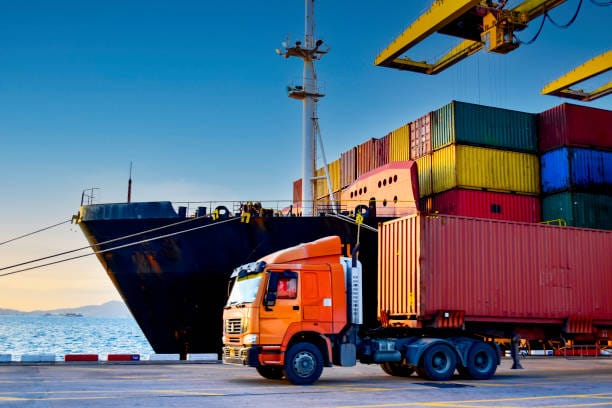
Commercial Auto Insurance
Coverage for work trucks, vans, and fleets — protecting your drivers, your vehicles, and the business behind them.
Read More
Contractor Insurance
Coverage built for trades and service professionals across Southern California — tools, equipment, and jobsite liability.
Read More
Cyber Liability Insurance
Helps your business respond and recover when data is breached — from customer notification to system restoration.
Read More
Commercial Property Insurance
Protects your building, equipment, and inventory against fire, theft, and covered damage — so one loss never stops the business.
Read MoreRelated Coverage
Get a Fast, Free Quote
Answer a few questions and we'll shop multiple carriers to find your best rate — no obligation.