Fontana Business General Liability Insurance — Coverage Built for Local Operations
Fontana's warehouse, logistics, and automotive businesses operate in a high-traffic industrial corridor where liability exposure is real and frequent. General liability insurance protects your business, your employees, and your assets when injuries or property damage claims strike.
- Multi-carrier quotes tailored to warehouse, logistics, and manufacturing operations
- Coverage for bodily injury, property damage, and contractual liability specific to Fontana's business environment
- Local agent serving Fontana and the Inland Empire — fast approval and claims support
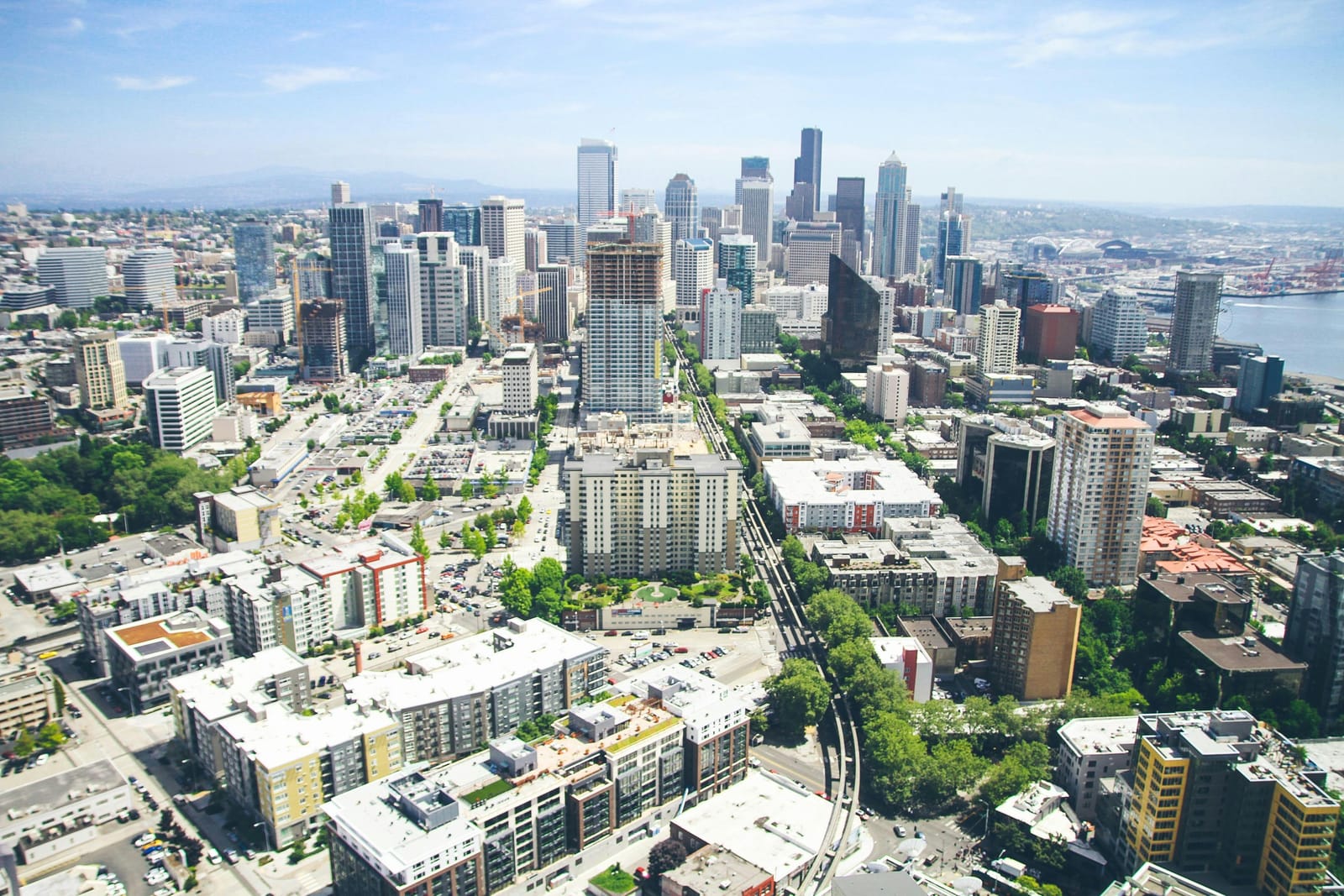
Fontana sits at the crossroads of Southern California's commerce and industry. The city's position at the I-10/I-15 interchange, combined with its legacy as a steel-industry hub and current boom in logistics and warehousing, makes it one of the region's economic engines. Auto Club Speedway draws motorsports events and tourism; the surrounding industrial parks house warehouses, trucking operations, manufacturing facilities, and the supply-chain businesses that keep the Inland Empire's economy moving. That commercial dynamism creates opportunity for local business owners — and real liability exposure that general liability insurance is designed to address.
If you run a warehouse operation, manage a trucking fleet, operate a construction company, own a retail location, or manage any other business type in Fontana, you're operating in an environment where customer injuries, property damage claims, and operational risks are not hypothetical. A customer slips in your showroom. A delivery truck causes an accident. A visitor is injured at your facility. Equipment damages someone else's property. Product liability claims emerge from goods you sold. These aren't rare events in a busy industrial city — they're predictable business risks, which is exactly why general liability insurance exists. It's not optional; it's a foundation of business protection that shields you from personal bankruptcy, business interruption, and reputation damage when claims arise.
California's liability environment — shaped by active case law, jury trends, and the state's economic cost of living — makes liability claims expensive to defend and expensive to pay. A slip-and-fall injury lawsuit can easily climb into six figures. A delivery-vehicle accident involving serious injuries can trigger million-dollar claims. Product liability, completed operations liability, and tenant legal liability all create exposure that a generic business insurance quote often underestimates. Fontana's specific business mix — warehousing, logistics, manufacturing, retail, hospitality — means your industry-specific liability exposure is real and measurable. Working with an agent who understands Fontana's business landscape, who knows what coverage your industry needs, and who can shop multiple carriers means the difference between adequate coverage and dangerous gaps.
At Covered By Us, we work with Fontana business owners every week — warehouse operators, logistics companies, retailers, contractors, and manufacturers. We understand the liability profile of each industry, the specific risks Fontana's geography and business mix create, and how to build coverage that matches your operation without overpaying for protection you don't need. We'll review your current coverage, assess your gaps, compare quotes from multiple carriers, and ensure you understand exactly what you're buying and why it protects your business. Start My Quote online or call 909-278-7053 — let's build the right coverage for Fontana's businesses.
Who Needs General Liability Coverage in Fontana
General liability insurance isn't a one-size-fits-all product. Different business types and operational profiles create different coverage needs. Here are the business owners for whom general liability coverage is essential in Fontana:
Warehouse and Logistics Operators
Warehouse operations, distribution centers, and third-party logistics providers operate in Fontana at scale. Employees, contractors, and visitors move through your facility constantly. Inventory is stored, moved, and shipped daily. Injury exposure is high — slip-and-fall incidents, equipment accidents, loading-dock incidents, and forklift-related injuries are predictable risks. Damage to goods, racks, equipment, and customer shipments also creates liability. General liability coverage protects your operation from the injuries and property damage claims that are routine in warehouse environments.
Trucking and Transportation Companies
Fontana's position at the freeway interchange and proximity to major distribution hubs makes trucking and transportation businesses a major part of the local economy. Truck-related accidents, cargo damage claims, driver injuries, and third-party injury claims from truck operations all create liability exposure. Your drivers interact with customers, pick up and deliver goods, and navigate roads across the Inland Empire daily. General liability coverage protects your company from injuries to other drivers, pedestrians, and property damage from your vehicles' operations, complementing your commercial auto insurance.
Retail and Commercial Storefronts
Retail shops, service businesses, and showrooms operating in Fontana serve customers daily. Slip-and-fall injuries, products-liability claims, and customer disputes create liability exposure. Customers browse, purchase goods, and use your facility — and occasionally are injured or claim property damage. General liability insurance protects retail and service businesses from lawsuits, medical bills, and defense costs when customers are injured on your premises or claim damage from products or services you provided.
Construction and Contractor Firms
Construction work, renovation projects, specialized trades, and contracting services operate throughout Fontana and the surrounding region. Contractors face high injury exposure — falls, tool-related injuries, property damage to customer sites, and third-party injuries on job sites are routine risks. Clients expect contractors to carry general liability coverage as a condition of hiring, and many require proof of coverage before allowing work to begin. General liability is non-negotiable for contractors in Fontana.
Auto and Motorsports-Related Businesses
Auto Club Speedway and Fontana's automotive heritage support auto-repair shops, customization shops, parts suppliers, and motorsports-related businesses. Working on vehicles, storing customer cars, and interacting with customers and parts vendors creates liability exposure. Vehicle owners entrust you with valuable assets and sometimes spend time at your facility. General liability protects auto shops, parts suppliers, and motorsports businesses from injury claims, property damage from your work, and disputes over service or parts quality.
Hospitality, Food Service, and Event Venues
Restaurants, bars, catering operations, event venues, and hospitality businesses serve customers and host events in Fontana. Slip-and-fall injuries, foodborne illness claims, alcohol-liability exposure, and property damage to customer property all create liability. Customers and guests frequent your venue; employees work in high-energy, sometimes hazardous environments. General liability coverage protects food and hospitality businesses from the liability exposure that comes with serving customers food, alcohol, and events.
What General Liability Insurance Covers
Bodily Injury Liability
If someone is injured because of your business operations, bodily injury liability covers their medical bills, lost wages, pain and suffering, and any legal judgment against you. A customer slips in your store; an employee is injured at your warehouse; a visitor is hurt at your facility — bodily injury liability protects you from personal bankruptcy when injuries occur. Coverage limits typically range from $100,000 to $1,000,000 or higher depending on your industry and risk exposure.
Property Damage Liability
Property damage liability covers damage your business causes to someone else's property. Your delivery truck damages a parked car. Your operation causes damage to a customer's goods. Your employees damage property during service delivery. Property damage liability pays for repairs, replacement, or fair market value of damaged property, protecting your business from costly claims. This is especially important for contractors, delivery services, and businesses whose operations involve customer property.
Personal and Advertising Injury Liability
This covers claims of libel, slander, false advertising, copyright infringement, and other non-physical injuries your business operations might cause. A customer claims your ad was misleading; an employee slanders a competitor; your published materials infringe on someone's intellectual property. Personal and advertising injury liability defends against these claims and covers settlements or judgments, protecting your business reputation and finances from non-bodily-injury claims.
Medical Payments Coverage
Medical payments coverage pays medical bills for people injured at your business location or as a result of your operations, regardless of fault. A customer is injured in your store; a delivery recipient is injured receiving your goods; a visitor to your facility needs emergency care. Medical payments covers treatment costs directly, often up to $1,000-$5,000 per incident, without requiring a liability finding or lawsuit. This can prevent small incidents from becoming major liability claims.
Products-Completed Operations Liability
If you manufacture, distribute, or sell products, or if you provide services that are later discovered to cause injury or damage, products-completed operations liability protects you. A product you sold causes injury. A service you completed fails and damages customer property. A completed project causes injury after you've left the job site. This coverage extends liability protection beyond your immediate premises to products and work in customers' hands, which is essential for manufacturers, product sellers, and service contractors.
Tenant Legal Liability
If you rent your business location, tenant legal liability covers property damage to the building structure and systems that you, as a tenant, are responsible for under your lease. You accidentally damage the building's electrical system, plumbing, or structure. You cause damage to the roof or exterior. Tenant legal liability reimburses your landlord for damage you cause, protecting you from lease-violation claims and eviction risk. This coverage is essential for tenants operating businesses in Fontana's commercial spaces.
Host Liquor Liability
If your business serves alcohol — restaurants, bars, catering companies, event venues — host liquor liability covers injuries caused by intoxicated customers. An intoxicated patron injures someone else; a guest drives drunk and causes an accident attributed to your service. Host liquor liability defends against claims that your business illegally served alcohol or negligently overserved. California law imposes liability on businesses that serve alcohol, making this coverage essential for any business serving drinks.
Non-Owned and Hired Auto Liability
If your business operations involve vehicles you don't own — employee personal vehicles, rented equipment, or hired contractors — non-owned and hired auto liability covers accidents involving those vehicles. Your employee uses their personal truck for work and causes an accident. A delivery involves a rented vehicle that's involved in a collision. A subcontractor's vehicle injures someone. This coverage is important for businesses that don't operate their own fleet but still use vehicles for business purposes.
Employee Benefits Liability
Employee benefits liability covers claims that your business improperly handled employee benefits, wrongfully denied coverage, or breached fiduciary duty as a benefits plan administrator. An employee claims you wrongfully denied health insurance coverage; a former employee sues over benefits administration. Employee benefits liability protects your business from employment-practice liability related to benefit programs, which can be expensive to defend and settle.
Contractual Liability
Many of your business contracts require you to maintain general liability insurance and to assume certain liability obligations. Contractual liability covers liability you assume under written agreements — indemnifying clients for your work, assuming responsibility for customer safety, or agreeing to be liable for third-party claims as part of a contract. This ensures your general liability policy responds to the contractual obligations your business routinely takes on.
How to Get General Liability Coverage for Your Fontana Business
Securing general liability insurance involves assessment, quote comparison, coverage selection, and ongoing management. Here's the step-by-step process for getting coverage that protects your Fontana business:
Assess Your Business Operations and Liability Exposure
Start by documenting your business type, number of employees, annual revenue, types of customers you serve, and specific operations that create liability exposure. If you operate a warehouse, document square footage, equipment used, and types of goods handled. If you're a contractor, document the types of work you perform, whether you work on customer property, and your typical job sites. If you're retail or hospitality, document customer volume and types of incidents you've observed. Understanding your specific exposure helps your agent recommend appropriate coverage limits and endorsements tailored to your industry and operation.
Gather Current Insurance Information and Contracts
Collect any current general liability policies you carry, declarations pages showing your current limits and deductibles, and any business contracts requiring specific insurance. Review client contracts, vendor agreements, and lease agreements to identify insurance requirements they impose — many will specify minimum liability limits you must carry. Your landlord's lease may require specific coverage; clients may require certain endorsements. Gathering this information helps your agent ensure quotes meet all your contractual obligations.
Consult with an Independent Agent About Your Coverage Needs
Work with an independent agent experienced in your industry. The agent will ask detailed questions about your operations, your employees, your customers, your annual revenue, and your risk profile. Don't just answer with numbers — describe what you actually do. A warehouse operator should explain forklift use, inventory value, and types of goods handled. A contractor should discuss job types, project durations, and whether work is on-site or customer property. A retailer should discuss customer volume and types of products sold. This conversation is where your agent identifies coverage gaps and tailors recommendations to your business.
Request and Compare Multi-Carrier Quotes
Your independent agent will shop multiple carriers and present quotes showing the same coverage across different insurers. You'll see differences in premium, deductible options, and sometimes different coverage structures. Your agent will explain why one quote is higher — maybe that carrier includes better products-liability limits, or stronger contractual-liability coverage, or has specific endorsements included. Compare not just price but the actual coverage each quote provides. Premium differences between carriers for identical coverage can easily be hundreds of dollars per year, making shopping essential.
Select Your Coverage Limits, Deductible, and Endorsements
With your agent's guidance, you'll choose your general aggregate limit (total coverage the policy provides per year), your per-occurrence limit (maximum for any single incident), your deductible (out-of-pocket cost before coverage begins), and any additional endorsements your business needs. Industry benchmarks suggest minimum limits of $1M/$2M for most small businesses; larger operations and higher-risk industries often benefit from $2M/$3M or higher. Your deductible choice affects premium — raising your deductible from $500 to $2,500 typically lowers annual cost significantly, but increases your out-of-pocket if a claim occurs.
Complete the Application and Provide Documentation
You'll complete a detailed application providing information about your business, your employees, your annual revenue, your location, and your operations. The carrier will review your application and often request additional documentation — proof of prior coverage, your loss history, employee records, revenue documentation, or specific details about your operations. Underwriting typically takes 3-7 business days. Being honest and complete in your application is critical; misrepresenting facts can lead to claim denials later. If the carrier asks questions during underwriting, answer them promptly and thoroughly with your agent's help.
Receive Your Policy and Review Coverage Details
Once approved, you'll receive your policy documents, declarations page, and coverage details. Take time to read them carefully — understand your limits, your deductible, what's covered, what's excluded, and any specific conditions or restrictions on your coverage. Your agent should walk through the key coverage details and answer any questions. Make sure everything matches what you discussed and what was quoted. Many business owners sign without reading and later discover coverage gaps when they need to file a claim.
Maintain Continuous Coverage and Conduct Annual Reviews
Your policy requires annual premium payment or monthly installment payments if offered. Never allow coverage to lapse — doing so violates most business contracts, exposes you to uninsured liability, and creates a coverage gap if a claim occurs between lapse and renewal. Once a year, before your renewal date, meet with your agent to review coverage. Have your operations changed? Have you hired more employees? Increased revenue? Expanded into new service areas? This annual conversation ensures your coverage keeps pace with your business growth and allows you to shop if better rates or coverage become available elsewhere.
Local Liability Risks for Fontana Businesses
Fontana's specific geographic position, industrial character, and business mix create particular liability exposures that general liability insurance must address. Understanding these risks helps you see why coverage is essential and why shopping carefully matters.
High-Traffic Industrial Corridor Exposures
Fontana's location at the I-10/I-15 interchange means constant truck and vehicle traffic, frequent deliveries, and high volumes of commercial activity. Businesses here manage loading docks, delivery operations, and frequent customer or vendor visits. The high traffic and commercial activity increase exposure to vehicle-related injuries, property damage from moving vehicles, and accidents involving delivery operations. Warehouses, logistics companies, and retail locations all face elevated exposure from the constant movement of vehicles and goods that characterize the industrial corridor.
Warehouse and Logistics Operation Injuries
Fontana's warehouse and logistics sector employs thousands of workers in facilities managing inventory, moving goods, operating equipment, and coordinating shipments. Forklift accidents, slip-and-fall injuries on warehouse floors, falling inventory, machinery accidents, and overexertion injuries are predictable occupational hazards. When these injuries occur, workers' compensation covers employees, but third-party liability exposure remains — a visitor injured in your warehouse, a customer injured during loading, or a contractor injured at your facility. General liability protects your business from non-employee injury claims.
Trucking and Fleet Operation Accidents
Trucking and transportation businesses operate continuously across Southern California and beyond from Fontana locations. Truck accidents involving serious injuries or fatalities trigger major liability claims. Third-party injury claims, damage to other vehicles, cargo damage claims, and property damage from truck operations all create liability. The Inland Empire's freeways and local roads see frequent commercial vehicle activity, and accidents involving commercial trucks often result in substantial injury and property damage claims that exceed average liability exposures.
Retail Customer Injury Claims
Retail and commercial storefronts serve customers daily. Slip-and-fall injuries, trip hazards, unsafe displays, and customer disputes create liability exposure. Customers browse, shop, and move through retail spaces; incidents are not rare. California premises-liability law holds business owners to a standard of maintaining reasonably safe premises, and customer injury claims in retail environments are common and often significant. Retail businesses in Fontana need robust liability coverage to manage this exposure.
Construction Work Site Injury Exposure
Construction, contracting, and specialized trade work in Fontana creates high injury exposure. Falls from heights, tool-related injuries, electrical hazards, moving equipment accidents, and third-party injuries on active job sites are routine occupational risks. Contractors also work on customer property, creating liability for property damage from their operations and injuries to property owners or occupants. Construction work's inherent hazards make general liability coverage essential and require careful attention to coverage limits and endorsements.
Auto and Motorsports Facility Liability
Auto repair shops, customization facilities, parts suppliers, and motorsports-related businesses handle customer vehicles, store valuable assets, and interact with customers and vendors. Customer vehicles in storage or service create liability exposure — injuries to customers at the facility, damage to customer vehicles, and property damage from shop operations. Motorsports events and activities carry additional injury exposure. Auto-related businesses in Fontana need coverage tailored to handling customer property and operating in an automotive environment.
Hospitality and Food Service Liability
Restaurants, bars, catering operations, and event venues in Fontana serve customers food and alcohol, host events, and manage spaces where injuries and incidents occur. Slip-and-fall injuries, foodborne illness claims, alcohol-related incident liability, and property damage from events all create exposure. California's strict standards for food handling and alcohol service liability mean hospitality businesses face both substantial liability exposure and regulatory compliance requirements. General liability coverage is foundational for any food or beverage operation.
Contractual Liability and Client Indemnification Requirements
Many of Fontana's businesses operate under contracts requiring them to maintain general liability insurance and assume liability for their operations. Warehouse operators contract with shippers; contractors contract with property owners; service providers contract with clients. These contracts often require the business to indemnify clients and assume responsibility for injuries or damage arising from the business's operations. General liability coverage must respond to these contractual obligations, making coverage selection critical to contract compliance.
California Legal Requirements for Business General Liability Insurance
California law does not mandate general liability insurance as a condition of operating a business, which surprises many Fontana business owners. Unlike workers' compensation insurance (which California mandates for most employers) or auto liability (which the state requires for licensed drivers), general liability is not a legal requirement imposed by state regulation. However, California law does hold business owners to strict standards of premises liability — property owners and operators are required to maintain reasonably safe premises and warn customers and visitors of known hazards. When injuries occur despite these efforts, California's active case law and jury environment often result in liability judgments against businesses, regardless of whether the business carried insurance to cover the loss. General liability insurance isn't legally mandated; it's financially essential given California's liability environment.
What makes general liability practically mandatory is that most business contracts, client relationships, and commercial agreements require it. When you contract with a large client, rent commercial space, or hire subcontractors, those parties will require you to carry general liability insurance and often require proof of coverage before they'll do business with you. Your landlord's lease almost certainly requires you to maintain general liability coverage on your business operations. Clients on construction projects, service contracts, and supply agreements commonly require proof that contractors and vendors carry adequate liability insurance. Failing to carry coverage when a contract requires it can result in breach-of-contract claims, loss of business, or termination of important client relationships.
Workers' compensation insurance, by contrast, is mandated by California law for most employers with employees. While general liability covers third-party claims (injuries to customers, visitors, or non-employees), workers' compensation covers employees injured on the job. Both are essential for any business with employees, though they serve different purposes. General liability protects your business from claims by non-employees; workers' compensation protects employees and shields your business from employee injury lawsuits in exchange for mandatory workers' comp coverage. The two policies work together to provide comprehensive protection for your business and stakeholders.
California Does Not Mandate General Liability — But Contracts Often Do
State law doesn't require general liability insurance, but most business contracts, leases, and client relationships do. When you rent commercial space in Fontana, your lease will require you to maintain general liability coverage. When you contract with larger businesses or government entities, they'll require proof of insurance before engaging your services. Construction projects routinely require contractors to carry general liability and name clients as additional insureds. Not carrying coverage when contracts require it can result in breach-of-contract liability, termination of business relationships, and significant financial exposure.
Premises Liability Standards Under California Law
California law holds business owners to a duty to maintain reasonably safe premises and to warn customers and visitors of known hazards. Property owners and operators are liable for injuries resulting from their failure to maintain safe premises or warn of known dangers, even if the business didn't intentionally cause the injury. This is called premises liability. California courts have interpreted this duty broadly, meaning businesses can face liability for injuries even when they weren't negligent in a traditional sense. General liability insurance responds to these premises-liability claims, protecting your business from the significant financial exposure that California's premises-liability law creates.
California's Comparative Negligence Standard and Liability Exposure
California follows a comparative negligence standard, meaning injured parties can recover damages even if they were partially at fault for their injuries. A customer is partially responsible for their own slip-and-fall injury but can still sue your business and potentially recover damages based on the business's failure to maintain a safe premises. This creates significant liability exposure for California businesses — even when customers or visitors contribute to their own injuries, they can still pursue legal claims. General liability insurance protects your business from these comparatively-negligent claims that California's legal system allows.
Contractual Liability Requirements in Business Agreements
Most commercial contracts in California require the business providing services or occupying space to carry general liability insurance and often to name the contract party as an additional insured. Large clients, property owners, and vendors routinely require minimum coverage limits — often $1M per occurrence/$2M aggregate or higher. Failing to carry required coverage violates the contract and can result in breach-of-contract claims in addition to liability for the underlying incident. When shopping for general liability insurance, review all your active contracts to ensure coverage meets all contractual requirements.
Workers' Compensation vs. General Liability — Different Coverage, Both Essential
California requires workers' compensation insurance for most employers with employees. Workers' compensation covers employees injured on the job, regardless of fault, and prevents employees from suing their employer for work-related injuries (with some exceptions). General liability covers third-party claims — injuries to customers, visitors, or non-employees, and property damage claims from your business operations. Both are essential for most Fontana businesses with employees. Workers' compensation protects your employees and shields your business from employee lawsuits; general liability protects your business from customer and third-party liability claims.
What Affects Your Business General Liability Insurance Rate
- Business type and industry — warehousing, logistics, and high-risk operations like construction or food service typically pay higher premiums than low-risk office-based businesses
- Annual revenue and payroll — larger businesses with higher revenue and more employees generally carry higher liability exposure and pay higher premiums relative to smaller operations
- Number of employees and employee safety record — more employees mean higher exposure to occupational injuries and workplace accidents; poor safety records increase claims history
- Prior claims history — businesses with prior liability claims pay higher premiums; a clean claims history over several years can lower rates substantially
- Coverage limits selected — higher per-occurrence and general aggregate limits cost more premium; businesses with significant assets or contract requirements often need higher limits
- Deductible choice — lower deductibles increase premium; raising your deductible from $500 to $2,500 can reduce annual cost by 20-30% or more
- Location within Fontana and surrounding area — zip code, specific address, and neighborhood crime rates can affect premium; industrial corridor operations may have different rates than retail locations
- Protective systems and safety measures — fire suppression systems, security systems, and documented safety programs can earn discounts of 5-15% off base premium
- Customer-facing operations and public interaction volume — retail and hospitality businesses with high customer volume typically pay higher premiums than businesses with limited public access
- Contractual liability requirements — contracts requiring specific insurance endorsements or higher limits can increase premium but are necessary to meet business obligations
General Liability Insurance Terms Explained
Understanding these key terms helps you navigate general liability insurance conversations and policy documents with confidence:
- General Aggregate Limit
- The maximum amount your policy will pay for all covered claims combined during the policy period (usually one year). Once this limit is exhausted, the policy provides no additional coverage for that year. Typical limits range from $1M to $5M or higher depending on business size and risk.
- Per-Occurrence Limit
- The maximum amount your policy will pay for any single incident or claim. A per-occurrence limit of $1M means each individual injury or property damage claim is limited to $1M coverage. Multiple incidents within the same year can trigger multiple per-occurrence limits (up to the annual aggregate limit).
- Bodily Injury Liability
- Coverage for medical bills, lost wages, pain and suffering, and legal judgments when someone is injured because of your business operations. This is the most commonly-used portion of general liability insurance and covers incidents like customer slip-and-falls, employee injuries affecting third parties, and visitor injuries at your business location.
- Property Damage Liability
- Coverage for damage your business causes to someone else's property — a delivery truck damages a parked car, your operations damage customer goods, or your employees damage property during service delivery. Property damage liability protects your business from repair and replacement costs when your operations damage third-party property.
- Products-Completed Operations Liability
- Coverage for injuries or property damage caused by products you manufactured or sold, or by services you completed. A product you sold causes injury to a user; a service you completed fails and damages customer property. This coverage extends liability protection to products and work in customers' hands after you've left the job site.
- Additional Insured
- A party named on your insurance policy in addition to your business — typically a landlord, client, or contract partner. When someone is named as an additional insured, your general liability policy protects them against claims arising from your operations. Most commercial leases and major contracts require you to name the other party as an additional insured.
- Contractual Liability
- Coverage for liability you assume under written agreements or contracts. Many business contracts require you to assume liability for your operations and indemnify clients from claims. Contractual liability coverage ensures your general liability policy responds to the liability obligations you've taken on through written agreements.
- Deductible
- The amount of money you pay out-of-pocket before your insurance coverage begins to pay claims. A $1,000 deductible means you pay the first $1,000 of any covered claim; your insurance pays the remainder (up to your policy limits). Higher deductibles lower your premium; lower deductibles increase premium.
Why Covered By Us for General Liability Insurance in Fontana
We're an independent insurance agency based in Pomona, serving Fontana and the entire Inland Empire. Because we're independent, we shop multiple carriers on your behalf — no allegiance to a single insurer means we can find the combination of coverage and price that fits your business. We work with Fontana's business community every week: warehouse operators, logistics companies, contractors, retailers, hospitality businesses, and manufacturers. We understand the liability profile of each industry, the specific risks Fontana's geography and business mix create, and how to build coverage that matches your operation without overpaying for protection you don't need. Our local presence means we know which carriers view certain industries and business types favorably, which carriers have tightened underwriting, and where availability challenges are emerging.
We ask detailed questions about your business before we run a single quote. What types of goods do you handle? What's your employee count and their safety record? What do your contracts require? What claims history do you have? How much revenue do you generate? This isn't generic underwriting — we're building a real picture of your operation so the quotes you receive are grounded in your situation, not a template. If you're a warehouse operator, we understand forklift exposure and third-party injury risk. If you're a contractor, we know that contract requirements shape coverage needs. If you're retail or hospitality, we understand customer-interaction liability. If you're trucking or logistics, we know the specific exposures your industry creates. This industry-specific knowledge helps us recommend appropriate coverage limits and endorsements that generic online quotes often miss.
When you work with Covered By Us, you get an agent who understands your Fontana business, who can walk you through the coverage options, and who advocates for you during the entire process. We handle the applications, manage underwriting, field insurer questions, and handle the administrative work so you can focus on running your business. And if you ever have to file a claim, we're here to support you — we'll notify your insurer promptly, help you document the incident, coordinate with the adjuster, and work to ensure you recover what you're entitled to. Start My Quote online or call 909-278-7053 — let's find the right general liability coverage for your Fontana business.
Frequently Asked Questions
What's the difference between general liability and commercial property insurance?
Do I need general liability if I operate a small home-based business?
What's a reasonable general liability insurance limit for my Fontana business?
Why should I work with an independent agent instead of getting a quote online?
How often should I review my general liability coverage?
What happens if I don't carry general liability insurance?
Are there discounts available for general liability insurance?
Can my homeowners or auto insurance cover general liability for my business?
What does it mean to name someone as an additional insured on my general liability policy?
How is general liability insurance for Fontana businesses different from other cities?
Coverage that keeps you secure
Reliable protection for everyday life.
Home Insurance
→Protect your house, belongings, and liability against fire, theft, and California-specific risks — with your options explained clearly.
Auto Insurance
→Coverage for accidents, liability, and vehicle damage. We shop multiple carriers so your rate fits how you actually drive.
Renters Insurance
→Protection for your belongings and liability in any rented apartment, house, or condo — often for just a few dollars a month.
Motorcycle Insurance
→Coverage built for riders, from daily commuters to weekend cruisers — including options for gear and custom parts.
RV Insurance
→Protection for motorhomes and travel trailers, on the road and parked — coverage that follows every mile.
Umbrella Insurance
→An extra layer of liability protection above your home and auto policies, shielding your savings and future income.
Coverage Built for Contractors and Trades
Support that keeps your work moving.

General Liability Insurance
Core protection for third-party injury and property damage claims. Supports contracts, job requirements, and everyday business risk.
Read More
Workers Compensation
Protects injured employees and keeps you compliant with California requirements — essential for nearly every employer in the state.
Read More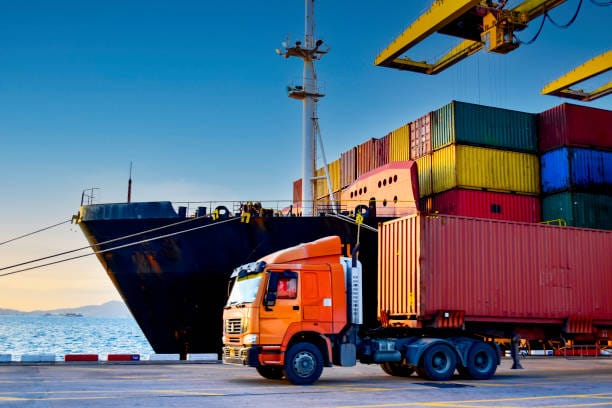
Commercial Auto Insurance
Coverage for work trucks, vans, and fleets — protecting your drivers, your vehicles, and the business behind them.
Read More
Contractor Insurance
Coverage built for trades and service professionals across Southern California — tools, equipment, and jobsite liability.
Read More
Cyber Liability Insurance
Helps your business respond and recover when data is breached — from customer notification to system restoration.
Read More
Commercial Property Insurance
Protects your building, equipment, and inventory against fire, theft, and covered damage — so one loss never stops the business.
Read MoreRelated Coverage
Get a Fast, Free Quote
Answer a few questions and we'll shop multiple carriers to find your best rate — no obligation.