What Does Apartment Complex Insurance Cover, and Do You Need More Than Basic Property Coverage?

Owning an apartment complex comes with real rewards. Steady rent checks. Growing equity. A property that works for you month after month.
But it also comes with risk. A burst pipe on the third floor. A slip-on icy step near the mailbox. A kitchen fire that spreads faster than anyone expected. These things happen, and when they do the cost lands squarely on the owner’s desk. That’s where apartment complex insurance steps in and it does far more than most owners realize.
At Covered By Us we talk to property owners every week who assumed basic coverage had them handled. Then a claim hits and gaps show up fast. Let’s walk through what this coverage actually includes and why relying on the bare minimum could leave you exposed.
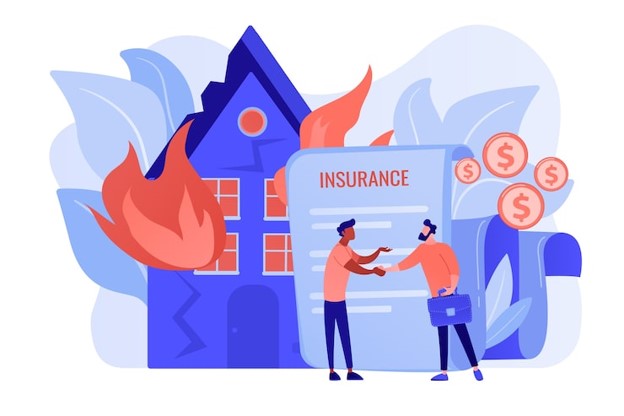
What Apartment Complex Insurance Actually Covers
This is not a single policy. It’s a bundle of protections built around the specific risks that come with owning a multi-unit property.
Property Coverage
This is the foundation of any commercial property insurance policy. It ensures the physical integrity of walls, roof, plumbing, electrical systems and common areas such as lobbies, stairways, parking structures etc.
Covered events typically include:
- Fire and smoke damage
- Windstorms and hail
- Vandalism
- Certain water damage claims (though flooding usually needs a separate policy)
Liability Protection
There is heavy foot traffic in multi-unit property. Tenants, guests, delivery drivers and maintenance crews. This equates to a greater risk of injury occurring.
Liability coverage helps pay for:
- Medical bills if someone is injured on the property
- Legal defense costs if you are sued
- Settlements or judgments tied to bodily injury or property damage claims
Loss of Income Coverage
Something owners often overlook. If a fire forces you to shut down half the building for repairs your rental income stops too. Loss of income coverage helps replace that lost rent while the property gets back on its feet.
Equipment Breakdown Coverage
Boilers, HVAC systems and elevators. Not to be taken lightly when fixing or replacing. Mechanical breakdown coverage is designed to prevent the sudden and unexpected breakdown of equipment which is typically not covered by property insurance.
Additional Protections Worth Knowing About
Depending on your property and location you may also want:
- Umbrella liability coverage for claims that exceed standard policy limits
- Ordinance or law coverage which helps with the added cost of rebuilding to current building codes
- Crime coverage protecting against theft or employee dishonesty
Why Basic Property Coverage Often Is Not Enough
A standard landlord insurance policy is a starting point not a finish line. It’s built for simple, predictable risks. Apartment complexes rarely stay that simple.
Think about it this way. A single-family home has one household to worry about. An apartment complex might have dozens of tenants, shared utilities common areas and ongoing maintenance needs. Every one of those adds a layer of exposure that basic coverage was not designed to handle.
Common Gaps in Basic Coverage
Owners are often surprised to learn what’s excluded or limited under a bare-bones policy:
- Limited liability protection that does not scale with the number of units or tenants
- No coverage for lost rental income during repairs after a covered event
- Exclusions for mechanical or electrical breakdowns
- Insufficient limits to rebuild at current construction costs
Each of these gaps can turn a manageable incident into a significant financial setback.
Why Tenant Volume Changes the Risk Equation
More tenants mean more everyday interactions, more moving parts and more opportunities for something to go wrong. It’s simple math. A property with 40 units carries more liability exposure than a duplex and the coverage should reflect that difference.
How to Know If You Need More Coverage
A few honest questions can help you figure out where you stand:
- Does your policy cover lost rent if part of the building becomes uninhabitable?
- Are your liability limits high enough to cover a serious injury claim?
- Would your coverage handle a major equipment failure like a boiler going out in winter?
- Is your rebuild cost coverage updated to reflect today’s construction prices?
If any of these leave you unsure it’s worth a closer look at your current policy.
Building the Right Coverage for Your Property
No two apartment complexes are exactly alike. Age of the building, number of units, location and amenities all shape what kind of coverage makes sense. A property with a pool and fitness center carries different risks than a smaller complex without those extras.
That’s why a one-size-fits-all policy rarely fits well at all. Coverage should be built around your specific property, not adjusted after a loss teaches you the hard way.
Steps to Strengthen Your Coverage
- Review your policy limits against current rebuild costs
- Confirm liability limits align with your total unit count
- Ask about loss of income and equipment breakdown add-ons
- Reassess coverage annually, especially after renovations or upgrades
Conclusion
Owning an apartment complex means managing more than rent rolls and maintenance requests. It means protecting a significant investment from risks that basic policies simply were not built to handle. Reviewing your coverage regularly understanding where the gaps are and adjusting as your property grows can make a real difference when something unexpected happens.
At Covered by Us, we help property owners build coverage that actually matches their risk not just a generic policy that checks a box. If you are ready to see where your current protection stands our team is here to walk through it with you.
Frequently Asked Questions
1. What does apartment complex insurance typically include?
It generally includes property coverage, liability protection, loss of income coverage, and options like equipment breakdown or umbrella liability, depending on the property’s needs.
2. Is apartment complex insurance different from regular homeowners’ insurance?
Yes. It’s designed for multi-unit properties with shared spaces, higher tenant traffic, and greater liability exposure, which standard homeowner’s policies aren’t built to address.
3. Does apartment complex insurance cover lost rental income?
Many policies offer loss of income coverage as an add-on, which helps replace rent lost while repairs are underway after a covered event.
4. How often should apartment owners review their insurance coverage?
An annual review is a good baseline, along with a fresh look after any major renovation, new construction, or significant change in tenant occupancy.