Who Needs Auto Parts Store Insurance?
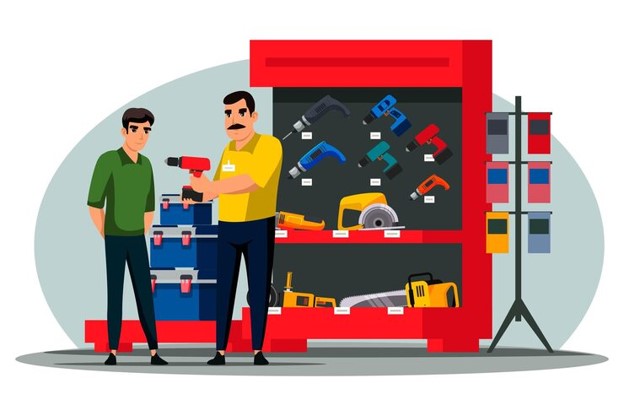
A cracked shelf bracket can drop a box of brake rotors onto a customer’s foot. It takes a second. The medical bills, the claim and the questions can last for months. This is why auto parts store insurance belongs on every owner’s checklist, whether the shop is new or has served the same neighborhood for decades. Below, we explain who needs it, what it covers and when to buy it.
Who Needs Auto Parts Store Insurance?
Anyone who sells, stores, installs or delivers vehicle parts should consider it. In our experience, these businesses benefit most:
- Independent counter shops: A small team handles heavy stock and walk-in traffic, so one claim can strain the budget.
- Franchise and chain locations: Head offices often set minimum coverage rules for each site.
- Online and warehouse sellers: Stored inventory and shipping errors bring their own risks.
- Wholesale and distribution firms: Large volumes of stock raise the value at risk.
- Delivery-based parts suppliers: Vehicles on the road add accident exposure.
- New owners buying an existing shop: A prior policy rarely transfers cleanly.
If your business fits any of these, a policy review is worth your time.
Why Parts Retailers Face Unusual Risks
A parts counter looks calm. Behind it sits a mix of hazards that a clothing shop never meets.
- Heavy items such as batteries, rotors and exhaust parts can fall or injure staff.
- Oils, coolants and lead-acid batteries can leak, spill or cause fires.
- Small, costly items like sensors and electronics attract theft.
- A part that fails after sale can lead to a claim for damage or injury.
- Staff who carry boxes, climb ladders or drive delivery vans face daily physical strain.
Each of these can lead to a loss. Together, they explain why a standard retail policy often falls
short.

What Does Auto Parts Store Insurance Include?
Most programs combine several coverages. The mix depends on your size, stock and services.
General Liability
This responds when a customer or visitor is hurt on your premises, or when you damage someone else’s property. It can also help with legal defense costs.
Property Coverage for the Building and Stock
Commercial property insurance for retail stores protects the physical side of the business. That usually means the building (if you own it), shelving, counters, computers and inventory. Fire, theft, vandalism and certain weather events are common covered causes. Floods and earthquakes typically need separate policies, so we always ask owners to check.
Product-Related Protection
Auto parts store liability coverage addresses claims that come from the items you sell. Think of a faulty brake pad or a mislabeled part that leads to a crash. Even when the manufacturer is at fault, a store can still be named in the claim.
Other Coverages Worth Reviewing
- Workers’ compensation: Pays for medical care and lost wages when an employee is injured on the job. Most states require it once you hire staff.
- Commercial auto: Covers vehicles used for deliveries or supply runs.
- Business interruption: Replaces lost income if a covered event forces you to close for repairs.
- Cyber liability: Helps if customer card data is exposed during a breach.
Do You Need Insurance Before Starting a Job?
Yes. Coverage should be active before the work begins, not after the first problem appears.
For a parts store, a job can mean several things: opening day, the first hire, a bulk stock delivery, or a parts installation for a customer. A policy does not cover events that happened before its start date. Waiting leaves a gap that no one can fix later.
Timing matters for other reasons too:
- Landlords often ask for a certificate of insurance before handing over keys.
- Lenders may require proof of property coverage before releasing funds.
- Suppliers and fleet clients sometimes refuse contracts without it.
- Stock in transit can be lost the day it arrives at your door.
A good rule is simple. Arrange coverage before the first box of inventory enters the building.
How to Decide What Coverage Fits Your Store
Buying too little leaves risk uncovered. Buying too much wastes money. A short review can help you find the middle ground.
- Add up your inventory value. Include slow-moving items, since they still count in a loss.
- Read your lease. It may set minimum liability limits.
- Note any installation work. Fitting parts raises your exposure.
- Count employees and vehicles. Both affect workers’ compensation and auto needs.
- Compare several carriers. Prices and terms vary more than most owners expect.
- Revisit the policy every year. Stock levels and services change, and coverage should follow.
Quick Tips for Owners
- Keep a dated photo or video record of your shelves and stock.
- Store receipts and supplier invoices off-site or in the cloud.
- Train staff on safe lifting and proper battery handling.
- Ask about limits on high-value items such as electronics.
- Report small incidents promptly. Late notice can complicate a claim.
Conclusion: Protect the Business You Built
Auto parts retail rewards careful owners, yet even careful owners cannot control a fire, a theft or a customer injury. The right mix of liability, property and product coverage turns a possible crisis into a manageable event. It also supports lease terms, loan approval and customer trust.
At Covered By Us, we compare options from multiple carriers and shape a plan around your stock, staff and services. If you are opening a shop or reviewing an existing policy, we are ready to help you find coverage that fits.
FAQs
1. What does auto parts store insurance typically cost?
Cost depends on inventory value, location, payroll, sales volume and claims history. A small counter shop will pay far less than a multi-site distributor. Comparing quotes from several carriers gives the clearest picture.
2. Is general liability enough for a parts retailer?
Often it is not. General liability covers injuries and property damage on your premises, but it may not respond to losses from your building, stock or defective products. Property and product coverage fill those gaps.
3. Does commercial property insurance for retail stores cover theft of inventory?
In most cases, yes. Theft is a common covered cause of loss, though policies may limit high-value items or require proof of forced entry. Reading the exclusions closely is important.
4. Are installations covered under auto parts store liability coverage?
Not always. If your staff fit parts for customers, tell your agent. Some policies need added endorsements to cover installation errors and related claims.