What Does Apartment Complex Insurance Cover? A Complete Guide for Property Owners

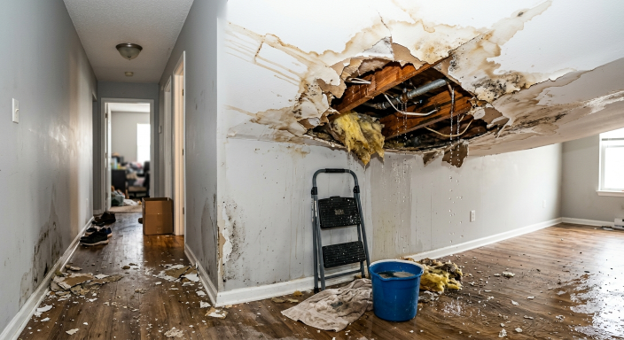
A burst pipe on the third floor can soak four ceilings below it. The repair bill tends to arrive faster than the plumber. This is where apartment complex insurance earns its keep. It protects the building, the rent it produces, and the owner who answers for both. Below, we explain what a policy pays for, what it skips, and how to choose limits that fit your property.
How Apartment Complex Insurance Works
A standard homeowners policy is built for one household. A building with dozens of tenants carries a very different level of risk, so it needs a different kind of protection.
Apartment building insurance usually comes as a commercial package. It combines several coverages under one policy, which keeps renewals and paperwork simpler. Most plans include three pillars: property, liability, and lost income. Endorsements then close the gaps.
What Apartment Complex Insurance Covers: Core Coverages
1. Property Coverage for Apartment Buildings
This part pays to repair or rebuilds the structure after a covered loss. Fire, wind, hail, smoke, lightning, theft, and vandalism are the common causes.
It often extends to:
- Roofs, hallways, and stairwells
- Fences, signs, and exterior lighting
- Laundry rooms, gyms, and clubhouses
- Appliances and equipment the owner supplies
Tip: Ask for replacement cost rather than actual cash value. Replacement cost pays for new materials at today’s prices. Actual cash value subtracts depreciation, and on an older roof that gap can sting.
2. Landlord Liability Coverage
Landlord liability insurance responds when someone is injured, or their belongings are damaged, because of conditions on your property. A visitor slips on an icy walkway. A loose stair rail gives way. Claims like these can reach six figures.
A policy may pay for:
- Medical bills for injured guests or tenants
- Legal defense, even when the claim has no merit
- Court judgments and agreed settlements
- Certain personal injury claims, such as wrongful eviction (wording varies)
3. Loss of Rental Income Coverage
If a fire leaves six units unlivable, rent stops. The mortgage, however, does not. This coverage replaces lost rent while repairs continue. Most policies cap the period, often at twelve months, so check how long yours lasts. Larger rebuilds can take longer than expected.
What Apartment Complex Insurance Doesn’t Cover: Gaps to Close with Endorsements
A basic policy leaves out several costly events. Many can be added back for an extra premium.
- Flood and earthquake: Both need separate policies or endorsements. Owners in seismic regions should treat this as a priority.
- Sewer and drain backup: A clogged main line can ruin ground-floor units. Standard forms often exclude it.
- Equipment breakdown: Boilers, elevators, and HVAC systems fail without any outside cause, and this endorsement covers that.
- Ordinance or law: After a loss, rebuilding to current code can cost far more than the original structure did.
- Umbrella liability: It adds a second layer above your primary limits, which matters when a serious injury claim exceeds them.
- Tenant belongings: These are never covered under the owner’s policy. Requiring renters insurance in the lease keeps that responsibility where it belongs.
Wear and tear, neglected maintenance, and intentional damage stay excluded almost everywhere. Insurers expect owners to keep the building in sound condition.
What Affects the Cost of Apartment Complex Insurance
Two buildings on the same street can have very different prices. These factors do most of the work:
- Age and construction type: Newer wiring, plumbing, and roofing usually lower the rate.
- Location: Crime rates, wildfire exposure, and distance from a fire station all count.
- Unit count and occupancy: More tenants mean more chances for a claim.
- Amenities: Pools, playgrounds, and fitness rooms add liability exposure.
- Claims history: A clean record earns better terms.
- Safety features: Sprinklers, alarms, and secured entry reduce risk.
Practical Ways to Lower Your Apartment Building Insurance Premium
Lower premiums should never come from thinner protection. These steps cut cost while keeping coverage intact:
- Update aging electrical panels and pipes before the insurer asks
- Install monitored smoke detectors, sprinklers, and camera systems
- Keep dated maintenance logs and inspection records
- Raise the deductible to a level your cash reserves can absorb
- Place property and liability coverage with one carrier when it makes sense
- Fix hazards promptly, such as cracked walkways and broken lighting
How to Choose the Right Coverage Limits for Your Apartment Complex
Many owners insure a building for its purchase price. That figure is a mistake. Insurance should match the cost to rebuild, which depends on labor, materials, and local codes. Land value does not belong in the calculation.
Liability limits deserve the same attention. A larger complex with a pool and a busy parking lot needs more than a small fourplex does. Ask what a worst-case injury claim might cost in your area, then size the limits and the umbrella accordingly.
Multifamily property insurance also varies by carrier. Some insurers prefer newer buildings, while others specialize in older ones. An independent broker can compare several markets at once and point out exclusions hidden in the fine print. Read those exclusions before signing, not after a loss.
Conclusion: Protect Your Apartment Complex with the Right Coverage
A well-built policy does more than pay claims. It keeps rent flowing, shields personal assets from lawsuits, and gives lenders confidence in the property. The best coverage matches the real risks of your building, your tenants, and your location.
At Covered By Us, we compare options from multiple carriers and shape each plan around the property in front of us. If your policy has not been reviewed in a year or two, now is a sensible time to ask questions.
FAQs About Apartment Complex Insurance
1. Is apartment building insurance the same as landlord insurance?
They overlap, but they are not identical. Landlord policies often suit small rental properties with one to four units. Policies for larger buildings carry higher limits and more commercial features, such as loss of rent and expanded liability.
2. Does multifamily property insurance cover a tenant’s belongings?
No. The owner’s policy covers the structure and the owner’s own equipment. Tenants need renters’ insurance for personal items and their own liability.
3. How much landlord liability insurance should an owner carry?
There is no single number. Limits depend on unit count, amenities, and local claim costs. Many owners start with a primary limit of one million dollars and add an umbrella for extra protection.
4. Are floods and earthquakes included in apartment complex insurance?
Usually not. Both are excluded from standard forms, so owners must buy separate coverage or an endorsement. Ask your broker about both, particularly in higher-risk regions.